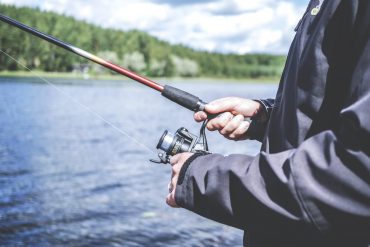
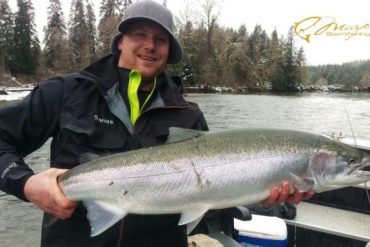
The river is completely open except for a small salmon closure from the top of the hatchery lagoon to the power lines that are located 500 meters upstream from the top of the lagoon. Starting to see a lot of Steelhead and that should get going very soon. We have a few good days with the fly this past week and once the rains come this weekend we will switch over to gear.
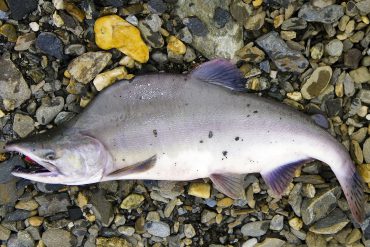
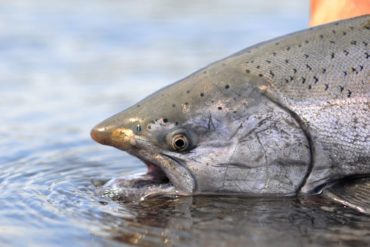
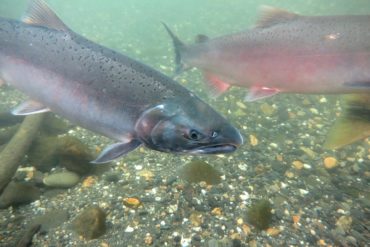
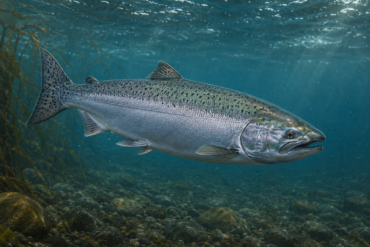
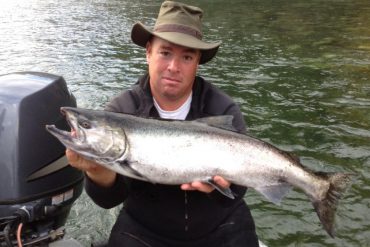
This fall has been great for Chinook and a very slow for Coho. The numbers of Coho counted through the Stamp falls counter has been fairly high but fish on the hooks has very low. Higher than normal flows for the last half of September have spread the Coho out and as you may know our Coho move very quickly making them a tough target. Our focus will change to Steelhead very soon and if you are thinking about Fall Steelhead, now is the time.
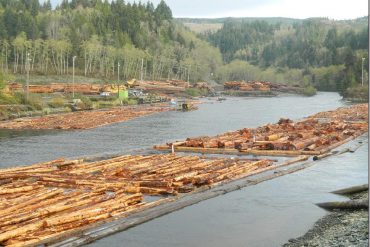
The Jordan River is a small river by Vancouver Island standards. It is located half way between Sooke and Port Renfrew and can be found by taking the Colwood exit off Highway 1 to Highway 14 and following the scenic route past the village of Sooke. The river flows...
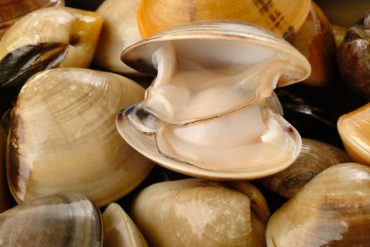
The previous closure for bivalve shellfish at French Creek, near the City of Parksville, is no longer necessary and has been lifted.
For the full Fishery Notice click here.
The Winter run Steelhead are throughout the entire river now and we have been running trips on both the upper, middle and lower sections. This was a good day with all boats hooking at least 4 fish per boat, while today was less productive with one boat with a strike out and the other hooking two.
And keep up-to-date with BC's fishing and hunting authority!
You will be sent an opt-in email to confirm that you would like to receive emails from us.
We use cookies on our website to give you the most relevant experience by remembering your preferences and repeat visits. By clicking “Accept”, you consent to the use of ALL the cookies.
This website uses cookies to improve your experience while you navigate through the website. Out of these, the cookies that are categorized as necessary are stored on your browser as they are essential for the working of basic functionalities of the website. We also use third-party cookies that help us analyze and understand how you use this website. These cookies will be stored in your browser only with your consent. You also have the option to opt-out of these cookies. But opting out of some of these cookies may affect your browsing experience.
Necessary cookies are absolutely essential for the website to function properly. This category only includes cookies that ensures basic functionalities and security features of the website. These cookies do not store any personal information.
Any cookies that may not be particularly necessary for the website to function and is used specifically to collect user personal data via analytics, ads, other embedded contents are termed as non-necessary cookies. It is mandatory to procure user consent prior to running these cookies on your website.