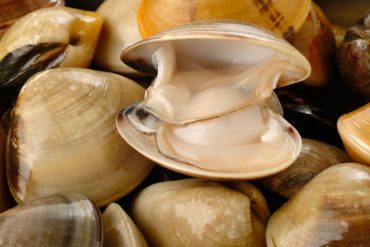
The previous closure for bivalve shellfish at French Creek, near the City of Parksville, is no longer necessary and has been lifted.
For the full Fishery Notice click here.
brought to you through Riverside Fly and Tackle
July 18, 2013 by
In the Howe Sound Effective Friday, July 19, 2013 Daily Limit is four (4) per day!
July 18, 2013
We’ve been seeing fish being caught at the mouth of the Capilano into Howe sound, Furry Creek and the Squamish River itself.
Burnco Rock Products, out of Calgary, proposes a gravel pit at the north end of Howe Sound.
Despite the nothing short of miraculous recovery that Howe Sound has made over the past many years, Burnco, who has made some hefty donations to BC's Liberal party, is proposing an expected 77 hectares...
STATEMENT OF DR. BRIAN RIDDELL, PACIFIC SALMON FOUNDATIONFederal Budget Calls For Salmon Conservation Stamp User Fees to Stay In B.C.
Dr. Brian Riddell, president and CEO of the Pacific Salmon Foundation, made the following statement today responding to the release of the 2013 federal budget. When enacted the budget will return...
by Todd Martin
You have often dreamed of the lifestyle. You have deep rooted envy of people that make their living from the fishing industry. You think to yourself, “I can do that. How hard can it be?” You imagine yourself dropping the city slicker routine and getting paid to go...
October 25-27, 2013 is Riverside Fly and Tackle's 11th annual Riverside River Daze event.
As part of the event there are two sturgeon derbies. The first is on Friday October 25, with the Jeff O'Neill show. You have to listen to the Fox radio station and earn your spot in this...
Leatherback turtles are listed as endangered under Canada’s Species at Risk Act (SARA) and they have a critically endangered listing on a worldwide basis. They are found in all of the major oceans in the world, except in the most extreme northern and southern latitudes, and consist of four major populations divided into Atlantic, Pacific, Indian and South China Sea groupings. One of the reasons they are so widely distributed is because they have the unique ability amongst reptiles to internally regulate their body heat. This means they can adapt to colder sea temperatures which they encounter once they move away from the tropical latitudes on either side of the equator. These turtles are true ocean wanderers, often following the currents for up to 15,000 km a year. One tagged specimen apparently traveled just over 30,000 km in a single year.
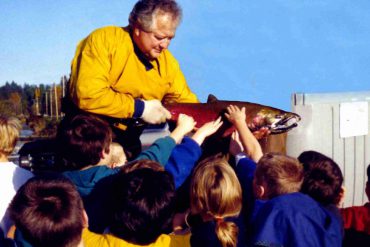
Join the 5,000 plus visitors from around the Lower Mainland who come out to celebrate and witness the return of thousands of Salmon, back to their birthplace to lay and fertilize their eggs.
This free family event provides the opportunity to observe salmon up close and learn about their life cycle...
And keep up-to-date with BC's fishing and hunting authority!
You will be sent an opt-in email to confirm that you would like to receive emails from us.
We use cookies on our website to give you the most relevant experience by remembering your preferences and repeat visits. By clicking “Accept”, you consent to the use of ALL the cookies.
This website uses cookies to improve your experience while you navigate through the website. Out of these, the cookies that are categorized as necessary are stored on your browser as they are essential for the working of basic functionalities of the website. We also use third-party cookies that help us analyze and understand how you use this website. These cookies will be stored in your browser only with your consent. You also have the option to opt-out of these cookies. But opting out of some of these cookies may affect your browsing experience.
Necessary cookies are absolutely essential for the website to function properly. This category only includes cookies that ensures basic functionalities and security features of the website. These cookies do not store any personal information.
Any cookies that may not be particularly necessary for the website to function and is used specifically to collect user personal data via analytics, ads, other embedded contents are termed as non-necessary cookies. It is mandatory to procure user consent prior to running these cookies on your website.