Gerry KristiansonWant to know more about Gerry Kristianson? Read our Bio page, click here.
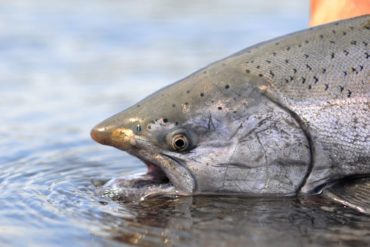
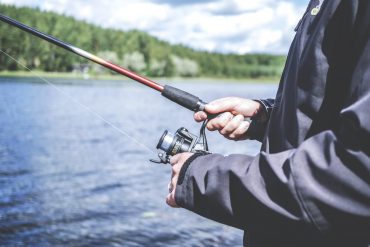
Of course sockeye fishing as currently practiced in the Fraser system is sport fishing. Federal government regulations define sport fishing as “fishing for recreational purposes” with anglers prohibited from commercializing their catch by sale, trade or barter.
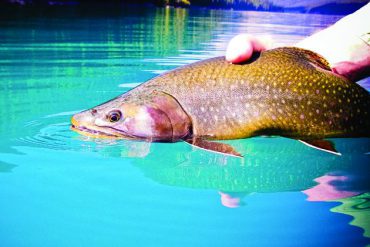
by Phil Rowley. Originally published in the 2014 May issue of BC Outdoors magazine.It is probably safe to say that when targeting trout with chironomid larva or pupa patterns most stillwater fly-fishers focus their effort in shallow water less than 15-feet deep. For many, a floating line, leader and a...
Keeping BC’s waterways free from pollution.Some of us are guilty of polluting our water, but all of us suffer
BC Outdoors Magazine’s Water Blogged, an informative guide to environmentally safe fun on Canada’s most beautiful inland and coastal waterways. In each issue we will endeavour to show you ways to not...
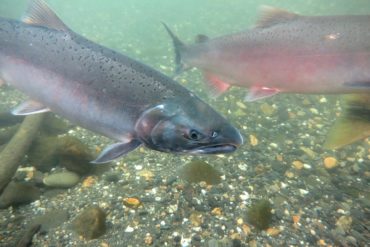
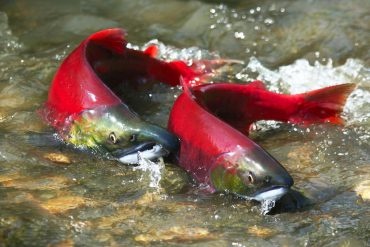
Join the 5,000 plus visitors from around the Lower Mainland who come out to celebrate and witness the return of thousands of Salmon, back to their birthplace to lay and fertilize their eggs.
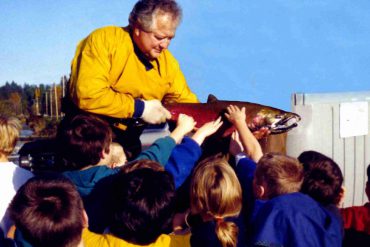
This free family event provides the opportunity to observe salmon up close and learn about their life cycle...
And keep up-to-date with BC's fishing and hunting authority!
You will be sent an opt-in email to confirm that you would like to receive emails from us.
We use cookies on our website to give you the most relevant experience by remembering your preferences and repeat visits. By clicking “Accept”, you consent to the use of ALL the cookies.
This website uses cookies to improve your experience while you navigate through the website. Out of these, the cookies that are categorized as necessary are stored on your browser as they are essential for the working of basic functionalities of the website. We also use third-party cookies that help us analyze and understand how you use this website. These cookies will be stored in your browser only with your consent. You also have the option to opt-out of these cookies. But opting out of some of these cookies may affect your browsing experience.
Necessary cookies are absolutely essential for the website to function properly. This category only includes cookies that ensures basic functionalities and security features of the website. These cookies do not store any personal information.
Any cookies that may not be particularly necessary for the website to function and is used specifically to collect user personal data via analytics, ads, other embedded contents are termed as non-necessary cookies. It is mandatory to procure user consent prior to running these cookies on your website.