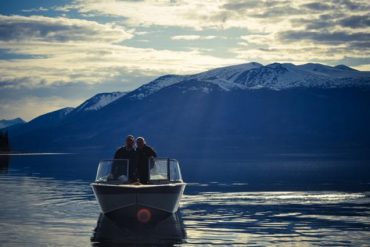

The 16th annual Family Fishing weekend is coming up June 19-21, 2015
The Fraser River Panel met August 30, 2022, to receive an update on the migration of the Fraser Sockeye run...
The winning artist for the 2020/2021 PSF Salmon Conservation Stamp Competition is Joshua Hansen. Below is some information from Hansen...
For 2021, the recreational halibut fishery allocation is 914,750 pounds. The following measures will be in effect coast wide as...
Effective immediately until 23:59 December 31, 2022, the following portion of Subarea 25-5 will revert from a finfish closure to...
North of the bridge at Highway 3, sockeye will be open from August 1st, 2013 until further notice. Retention is set at two per day.See the full fishery notice here.
During the 10 days precceeding August 25, nine boats and 60 nets have been seized from alleged poachers on the Fraser River by fisheries officials. Through that same time period, 30 investigations into these and other poaching activities have begun.
The area of the the Fraser between the mouth at the...
We all know how important it is to abide by the regulations. The regulations protect the species and the sport that we love.
It's frustrating, to say the least, to know that those who don't abide by the regs get away with it without consequence.
Do you know what to do when...
Looking for information about fishing and hunting regulations, openings, closure, updates and more? Here are some handy links to keep you in the know as you head out into the great outdoors.
Leatherback turtles are listed as endangered under Canada’s Species at Risk Act (SARA) and they have a critically endangered listing on a worldwide basis. They are found in all of the major oceans in the world, except in the most extreme northern and southern latitudes, and consist of four major populations divided into Atlantic, Pacific, Indian and South China Sea groupings. One of the reasons they are so widely distributed is because they have the unique ability amongst reptiles to internally regulate their body heat. This means they can adapt to colder sea temperatures which they encounter once they move away from the tropical latitudes on either side of the equator. These turtles are true ocean wanderers, often following the currents for up to 15,000 km a year. One tagged specimen apparently traveled just over 30,000 km in a single year.