From Phil Rowley's Fly Tying Column
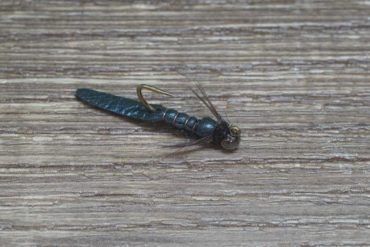
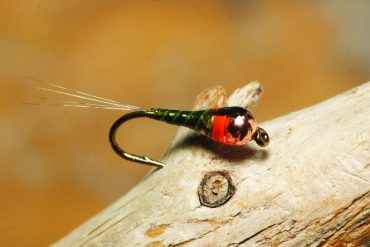
In recent years European nymphing techniques have become dominant across North America. Not only the method itself but also the unique patterns fly fishers tie and use such as Spanish style nymphs. Spanish nymphs are small, thin and hard bodied. Designed to succeed in...
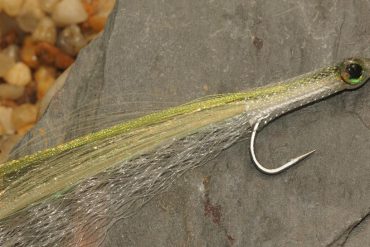
All about and how to tie the Eyes n' Tubes Bone Collector
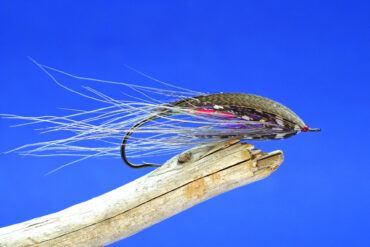
I was fortunate to meet Rob Texmo earlier this year. Rob is a talented tyer with a love for traditional Atlantic salmon and spey patterns, adapting the tying techniques and disciplines these flies require with great success for Pacific salmon and steelhead. Rob’s tying skill and attention to detail on...
British Columbia’s storied waters are among steelheading’s most hallowed. Names like the Dean, Kispiox, and Bulkley are whispered with reverence internationally, and for many, a steelheader’s life is not complete without at least one visit to them all.
I’m often asked by visiting anglers which flies they should bring, and I...
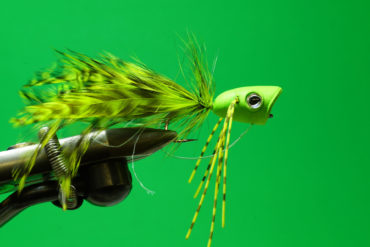
The willingness of smallmouth and largemouth bass to crush surface patterns with unbridled aggression attracts many anglers, including an increasing...
The Chuck nymph, designer Chuck Furimsky’s wordplay on the Czech nymph, is a unique pattern utilizing leather Bugskin. Prior to...
Deb Paskall is both an accomplished fly fisher and tyer. Together with her husband, Randy, they pursue a wide variety...
by Phil Rowley (designed by Aaron Goodis)Originally published in "Fly-Tying" column of BC Outdoors magazine in the September/October 2011 issue.
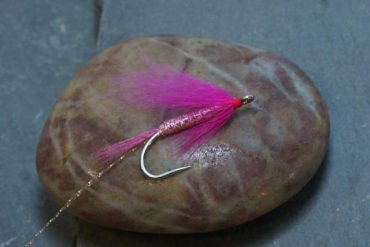
Each year, from mid-summer through to early fall, pink salmon return to spawn along BC’s coastal beaches, estuaries, rivers and streams – often in staggering numbers. While Vancouver Island waters are...
By Phil Rowley (designed by Bob Taylor)
Originally published in Phil’s “Fly-tying” column in the March/April 2013 issue of BC Outdoors magazine. Click here to view or print the original version.
Hanging leeches under indicators is now common on most Western Canadian stillwaters. Arguably, you could spend the entire season suspending only...
From Phil Rowley's Fly-Tying Column
I divide fly patterns into three basic categories, suggestive, imitative and attractor. Each pattern category has a set of conditions when I am most likely to use them. Imitative patterns work best when a match the hatch philosophy is required, a common occurrence during the spring...