By Phil Rowley (designed by Bob Taylor)
Originally published in Phil’s “Fly-tying” column in the March/April 2013 issue of BC Outdoors magazine. Click here to view or print the original version.
Hanging leeches under indicators is now common on most Western Canadian stillwaters. Arguably, you could spend the entire season suspending only...
by Phil Rowley (designed by Aaron Goodis)Originally published in "Fly-Tying" column of BC Outdoors magazine in the September/October 2011 issue.
Each year, from mid-summer through to early fall, pink salmon return to spawn along BC’s coastal beaches, estuaries, rivers and streams – often in staggering numbers. While Vancouver Island waters are...
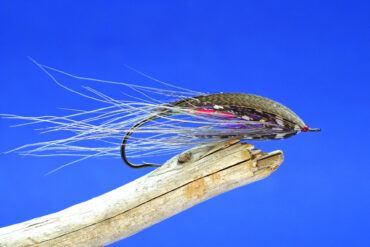
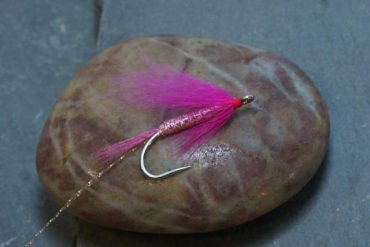
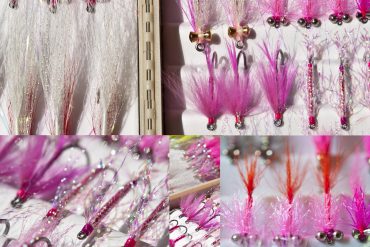
Now that we have discussed some locations to search out these silver prizes, lets look at flies. Pinks are typically fairly easy to catch. First, they usually roam in packs and second, they seem to eagerly attack any small buggy looking fly…on one condition. The fly must be pink! Right now...
And keep up-to-date with BC's fishing and hunting authority!
You will be sent an opt-in email to confirm that you would like to receive emails from us.
We use cookies on our website to give you the most relevant experience by remembering your preferences and repeat visits. By clicking “Accept”, you consent to the use of ALL the cookies.
This website uses cookies to improve your experience while you navigate through the website. Out of these, the cookies that are categorized as necessary are stored on your browser as they are essential for the working of basic functionalities of the website. We also use third-party cookies that help us analyze and understand how you use this website. These cookies will be stored in your browser only with your consent. You also have the option to opt-out of these cookies. But opting out of some of these cookies may affect your browsing experience.
Necessary cookies are absolutely essential for the website to function properly. This category only includes cookies that ensures basic functionalities and security features of the website. These cookies do not store any personal information.
Any cookies that may not be particularly necessary for the website to function and is used specifically to collect user personal data via analytics, ads, other embedded contents are termed as non-necessary cookies. It is mandatory to procure user consent prior to running these cookies on your website.