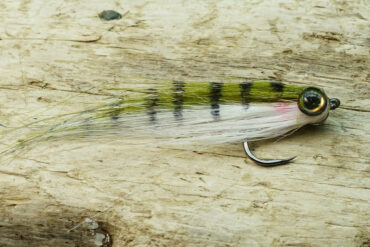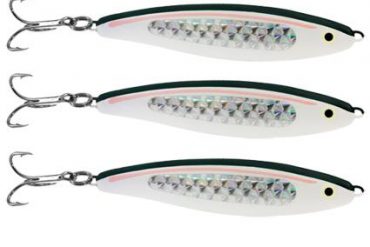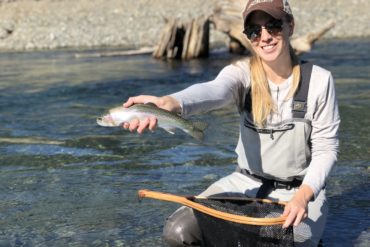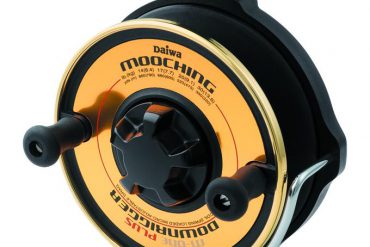
I am a big fan of islands, particularly the Gulf and Discovery islands. They’re surrounded by water (which means fishing),...
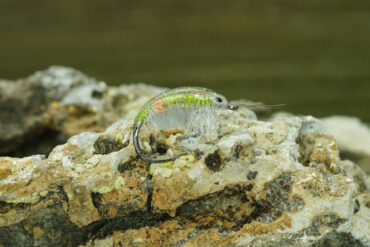
When trout are fixated on chironomids, trying to replicate or match the emerging pupa through pattern choice and presentation technique is the standard course of action. But what happens when this “match the hatch” mantra isn’t working? Many fly fishers, myself included, try smaller imitative patterns, shuffle through colour...
The landscape of the outdoors industry has seen a dramatic shift over the years. Gone are the simple days, when...
The Litespeed is a large arbor reel with the same sealed drag system found in the Waterworks ULA. The drag consists of two matched cones brought together under variable spring pressure resulting in a very smooth, very adjustable drag that is immune to water and dirt. The Hard Alox finish...
I have long been a fan of Randall Kaufmann’s patterns and tying techniques. His stonefly nymph is one of my favourites. A Kaufmann Stone is one of my go-to patterns when imitating larger stonefly nymphs for both trout and steelhead. Stonefly nymphs make excellent searching patterns as the larger species...
By Garry Elgear
Originally published in “Tips and Tech” Jan/Feb 2011 issue of BC Outdoors magazine.
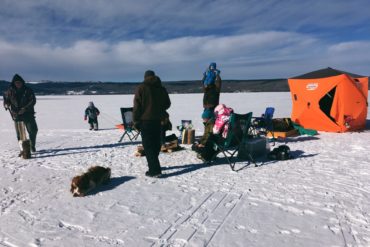
With the change of the season, winter is finally upon us. Barren trees, crisp air, a brand new dusting of snow and I am exhilarated, anticipating and planning my next trip with my fishing partner for...
The East Kootenay region is located in the southeast corner of British Columbia. It is nestled between the Alberta border...
By any measure – economic, ecological or cultural – British Columbia’s hunting, fishing and outdoor community is built on something...
Leatherback turtles are listed as endangered under Canada’s Species at Risk Act (SARA) and they have a critically endangered listing on a worldwide basis. They are found in all of the major oceans in the world, except in the most extreme northern and southern latitudes, and consist of four major populations divided into Atlantic, Pacific, Indian and South China Sea groupings. One of the reasons they are so widely distributed is because they have the unique ability amongst reptiles to internally regulate their body heat. This means they can adapt to colder sea temperatures which they encounter once they move away from the tropical latitudes on either side of the equator. These turtles are true ocean wanderers, often following the currents for up to 15,000 km a year. One tagged specimen apparently traveled just over 30,000 km in a single year.
Effective immediately until 23:59 October 15, 2022, the recreational finfish fishing area within Subarea 25-1 will be changed to the...