

Few wildlife species generate as much debate as the grey wolf. To some British Columbians, wolves are essential apex predators that help maintain natural ecological processes. To others – particularly hunters who have watched local moose, elk or deer numbers fall – they represent an additional source of mortality on already struggling herds.
Advertisement
Both perspectives can contain some truth.
Advertisement
Wolves are important components of BC’s ecosystems, but their effects depend on prey abundance, habitat condition, weather, human access and the presence of other predators. A healthy predator-prey relationship is not determined by a single ideal number of wolves across the province. What is sustainable on the north coast may be very different from what is sustainable in a heavily logged caribou range or a region where moose recruitment is already low.
Advertisement
Understanding the wolf’s role requires looking beyond the predator alone.
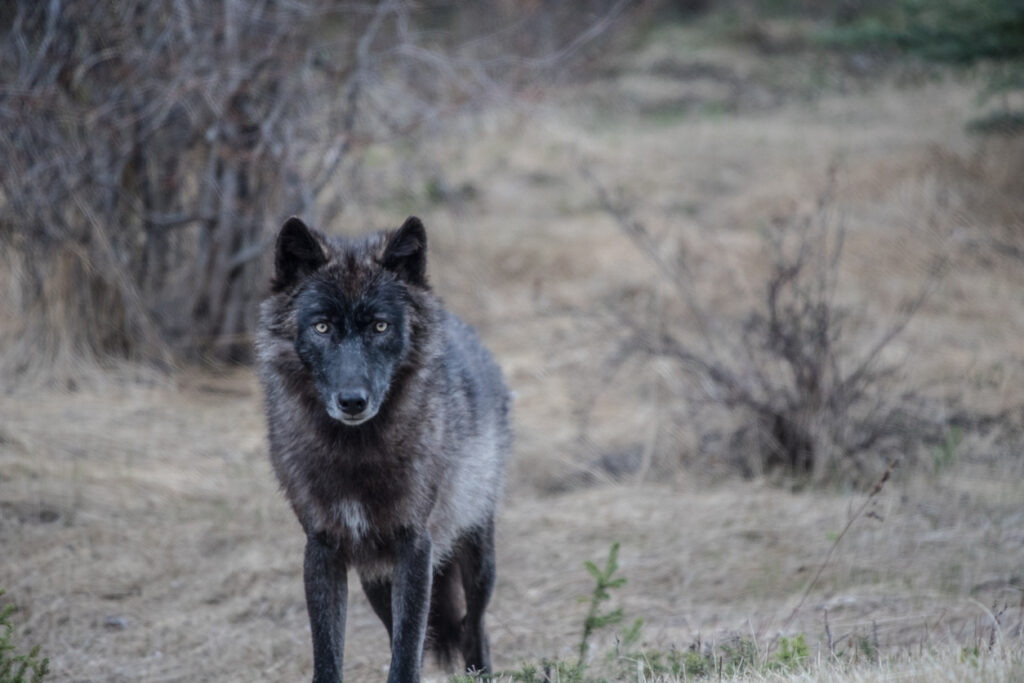 Photo by iStock
Predators Respond To Prey
Wolves are highly adaptable predators. Across BC, their principal prey may include moose, deer, elk, caribou, mountain goats and, occasionally, livestock. They also consume beavers, smaller mammals, carrion and other foods. Coastal wolves can obtain a substantial portion of their diet from marine and intertidal sources, including fish, seals, shellfish and marine-mammal carcasses.
In most systems, wolf abundance is closely connected to the availability of large ungulates. When moose, deer or elk are plentiful, they can support more wolves. When prey declines, wolf numbers will eventually decline as well – but that response is not necessarily immediate.
The delay can be important. Wolves may continue killing declining prey, expand their territories, switch to another species or disperse into surrounding areas. A prey population can therefore experience heavy predation before the predator population adjusts to the reduced food supply.
Whether that predation merely removes animals that would otherwise die or drives a population lower depends on local conditions. In a productive herd with good habitat and strong calf recruitment, some predation can be compensatory: wolves may kill vulnerable animals that would have died from disease, starvation, injury or another predator. When prey numbers are low, adult survival is poor or few young animals are entering the population, the same rate of predation can become additive and contribute directly to further decline.
When Wolf Pressure Becomes Too High
The ecological consequences of abundant wolves are most apparent when wolves are supported by one common prey species but also kill a rarer species.
This phenomenon, known as apparent competition, is central to the woodland caribou issue in BC. Caribou are generally not numerous enough to support large wolf populations themselves. Moose and deer can, however, sustain wolves across the same landscape. Those wolves may then encounter and kill caribou.
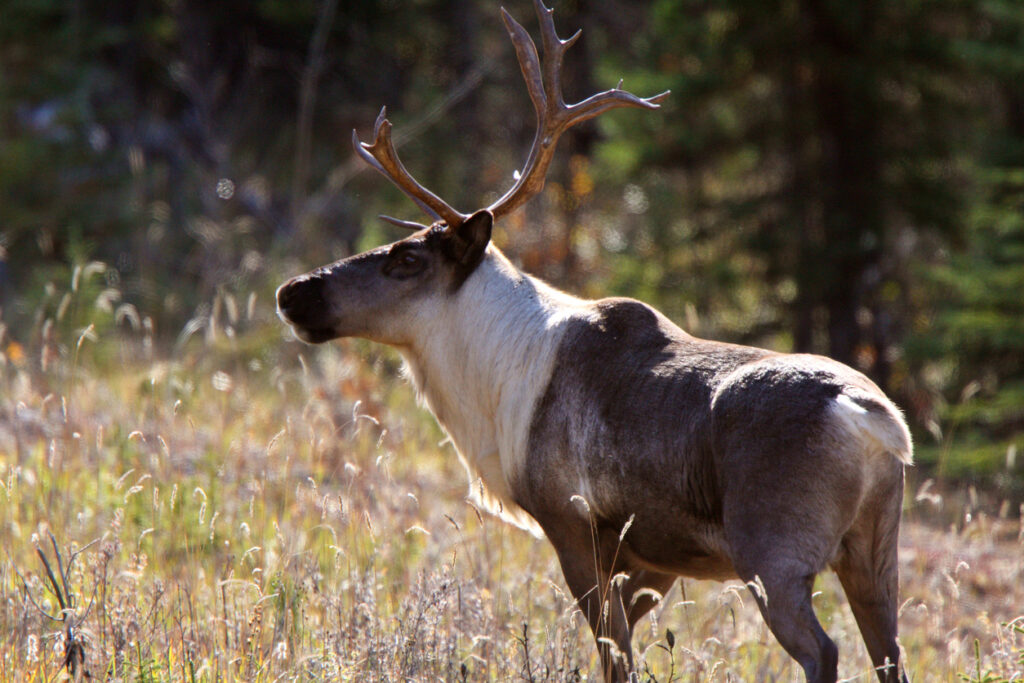 Photo by iStock
Human-caused habitat change can intensify the relationship. Forest harvesting, roads and other disturbances create young vegetation that can provide good forage for moose and deer. As these animals expand into or become more numerous within caribou ranges, wolves follow them. Roads, seismic lines and other linear features may also allow predators to travel more efficiently through landscapes where caribou once reduced risk by remaining widely separated from other ungulates.
Research in southern BC demonstrated this connection experimentally. Reducing moose abundance lowered wolf density and brought caribou population decline to a halt in the treatment area, supporting the conclusion that the moose-wolf relationship was contributing to caribou losses. Importantly, that study did not suggest moose or wolves were solely responsible for the problem. The food web had been altered by changes to habitat. Read the study in Proceedings of the Royal Society B.
BC has used wolf reduction in selected caribou ranges as an emergency recovery measure. A broad analysis of mountain caribou recovery programs in BC and Alberta found that reducing wolf predation produced the most consistent improvement in caribou population growth, with greater gains in some herds when wolf reduction was combined with maternal penning or supplemental feeding.
That does not make predator control a substitute for habitat conservation. Wolf reduction can provide immediate relief, but old forest requires decades to recover. Unless the habitat and prey conditions supporting elevated wolf numbers are also addressed, wolves can recolonize treated areas and management may have to continue.
Recent research also reinforces the need for local evidence. A study of newborn caribou in west-central BC found that wolf reduction improved calf survival in rugged terrain but produced no detectable benefit in flatter terrain. The result shows why one management prescription cannot simply be applied everywhere. UBC’s summary of the research emphasizes that landscape features and the behaviour of other predators can change the outcome.
Moose populations can face similar pressure. Where adult cow survival and calf recruitment are already depressed by severe winters, poor forage, parasites, bears or human harvest, wolf predation may help hold a herd at low density. This is sometimes called a predator pit: prey remain too scarce to grow rapidly, but sufficient alternative prey allow predators to remain relatively abundant.
For hunters, the practical lesson is that seeing wolves – or wolf-killed animals – does not by itself establish why a herd is declining. Reliable assessment requires information about pregnancy, calf survival, adult mortality, habitat, harvest and predator density.
What Happens When There Are Too Few Wolves?
Removing wolves can also change an ecosystem.
Where wolves are scarce or absent, survival of their prey may increase. If hunting, other predators, disease and winter conditions do not offset that increase, ungulates can become locally abundant enough to reduce shrubs, tree seedlings and other preferred forage. This can alter forest regeneration and affect animals that depend on dense understory vegetation.
Wolves may also influence where and when prey feed. This behavioural effect is sometimes described as a “landscape of fear.” Ungulates do not stop using habitat simply because wolves are present, but they may spend less time in risky locations or become more vigilant. The strength of this effect varies considerably among ecosystems and should not be assumed to produce the dramatic vegetation recovery popularly associated with Yellowstone National Park.
That caution is particularly important in BC. Plant communities here are also shaped by wildfire, forestry, flooding, insects, drought, snow depth, beavers and browsing by several ungulate species. Wolves may contribute to a trophic cascade – a chain of effects extending from predators to herbivores and vegetation – but they are rarely the ecosystem’s only controlling force.
Wolf kills also provide food for ravens, eagles, magpies, wolverines, bears, foxes and numerous smaller scavengers. Carrion that remains on the landscape returns nutrients to soils and aquatic systems. A reduction in wolves can therefore change when and where scavengers obtain food, although animals killed by hunters, other predators, winter weather and vehicles may partly replace that resource.
Wolves may also suppress smaller carnivores through competition or direct killing. Where an apex predator disappears, some mid-sized predators can increase – a process called mesopredator release. The downstream effects can include greater predation on birds, small mammals or young ungulates, but the outcome depends on which competing predators occupy the area.
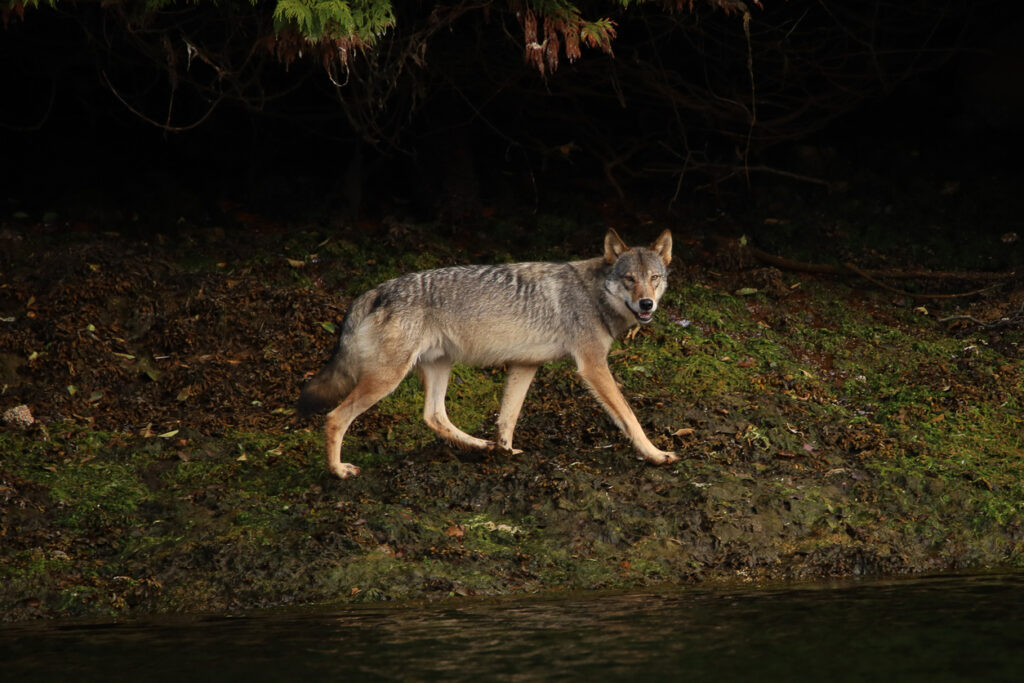 Photo by iStock
Wolves, Salmon & The BC Coast
The wolf’s relationship with aquatic ecosystems is especially visible along the BC coast. During salmon runs, some wolves catch spawning fish or scavenge carcasses. They commonly consume the most energy-rich portions and leave the remainder on land, where marine-derived nutrients become available to insects, scavengers and vegetation.
Salmon are unlikely to make up the same proportion of the diet for every coastal pack, and wolves are only one of several animals transporting salmon nutrients into forests. Bears generally play a much larger role in this process. Nevertheless, coastal wolves demonstrate that the ecological influence of a predator can extend across the boundary between ocean, river and forest.
For anglers, the more consequential wolf-related effects on fish habitat are likely to be indirect and highly localized. Changes in ungulate browsing can affect streamside vegetation, while changes in beaver abundance or behaviour can influence ponds, wetlands and stream complexity. These connections are biologically plausible, but it would be an oversimplification to claim that changing wolf numbers automatically improves or harms a fishery.
There Is No Province-Wide “Right” Number
Calling wolves beneficial or harmful without specifying the place, prey population and management objective misses the complexity of BC’s landscapes.
Too few wolves can contribute to excessive browsing, alter competition among predators and remove an important source of carrion. Too many wolves relative to vulnerable prey can suppress ungulate recovery and pose a serious threat to small caribou herds – particularly where human disturbance has changed habitat and increased populations of alternate prey.
The appropriate question is therefore not simply whether BC has too many or too few wolves. It is whether predator abundance is compatible with the productive capacity of a particular landscape and the conservation status of its prey.
Answering that question requires monitoring wolves and ungulates together. It also requires examining habitat, access, harvest, other predators, disease and climate. Predator management may sometimes be justified, but it is most defensible when it is targeted, measured against clear population objectives and paired with work on the underlying habitat problem.
Wolves are neither ecological cure-alls nor the sole cause of declining game populations. They are influential predators operating within food webs that people have already altered. For hunters, anglers and wildlife managers alike, recognizing that complexity is the starting point for sound management.