

British Columbia has introduced regulatory changes to the Wildlife Act aimed at protecting wild sheep from disease transmitted by domestic animals, strengthening the province’s ability to respond when risks arise.
Advertisement
The new rules improve the province’s ability to respond when escaped or abandoned sheep may come into contact with wild sheep, helping prevent suffering and large-scale die-offs in wild herds.
Advertisement
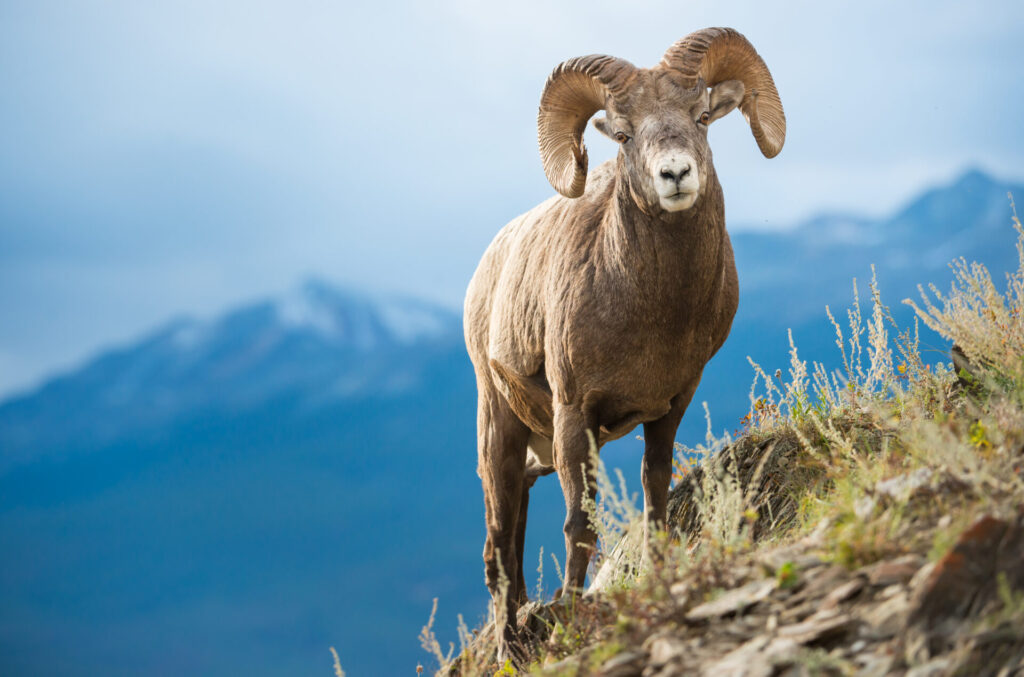 Photo by iStock
How Disease Spreads To Wild Sheep
Domestic sheep and wild sheep can contract many of the same infectious organisms, but their immune systems and resistance to disease differ.
Advertisement
Mycoplasma ovipneumoniae (M. ovi), a bacteria commonly found in the nasal cavities of domestic sheep and goats, rarely causes illness in domestic animals but can lead to deadly cases of pneumonia in wild sheep.
Domestic sheep often carry M. ovi without showing signs of infection. When not properly contained, domestic sheep can interact with wild sheep and spread it through activities such as grazing nearby, nose-to-nose contact or sharing water or salt sources.
Once introduced, M. ovi can spread quickly through wild populations, causing die-offs across all age groups and long-term population declines as fewer lambs survive and disease persists in herds. Proper containment practices help prevent domestic animals from escaping and interacting with wild populations, reducing the risk of disease transmission. Most producers already take steps to properly contain sheep, and these changes support responsible animal management.
What’s Changed
Under these changes, domestic sheep are now classified as “non-domestic” animals under specific sections of the Wildlife Act. As a result, the following provisions now apply to sheep:
- releasing or abandoning sheep on Crown land is an offence
- owners must make every reasonable effort to recover escaped sheep
- the province assumes ownership of released or abandoned farmed sheep
- wildlife officers can lethally remove escaped or abandoned sheep at large if they pose a risk to wild sheep or wildlife habitat
These changes are consistent with how goats, which also pose a disease transmission risk to their wild counterparts, are already regulated under the Wildlife Act.
The province says the updates support ongoing efforts to protect biodiversity and ecosystem health, including preventing the spread of disease and maintaining healthy wildlife populations throughout British Columbia.
Quick Facts
- M. ovi can be contracted by both domestic and wild sheep but wild sheep are more susceptible to outbreaks that can lead to significant die-offs and long-term population declines.
- Approximately six per cent of wild sheep range overlaps with private land.
- Preventing contact between domestic and wild sheep is the most effective way to reduce disease risk.
Learn More
More information about the Wildlife Act and disease risks, including Mycoplasma ovipneumoniae, is available through the Province of British Columbia.