

The province of British Columbia, the Government of Canada and six coastal First Nations are celebrating a historic agreement to establish a new national marine conservation area reserve (NMCAR) on BC’s Central Coast.
Advertisement
Located within the Great Bear Sea, the proposed reserve encompasses one of the richest marine environments in the world, recognized for its biodiversity and deep cultural significance. The new conservation area will be called Mia-yaltwa Ha’lidzogm hoon (phonetically: Me-ah-yall-twa Ha-lee-joh-gom hOH-own), meaning “Realm of the Salmon, Home of the Salmon.”
Advertisement
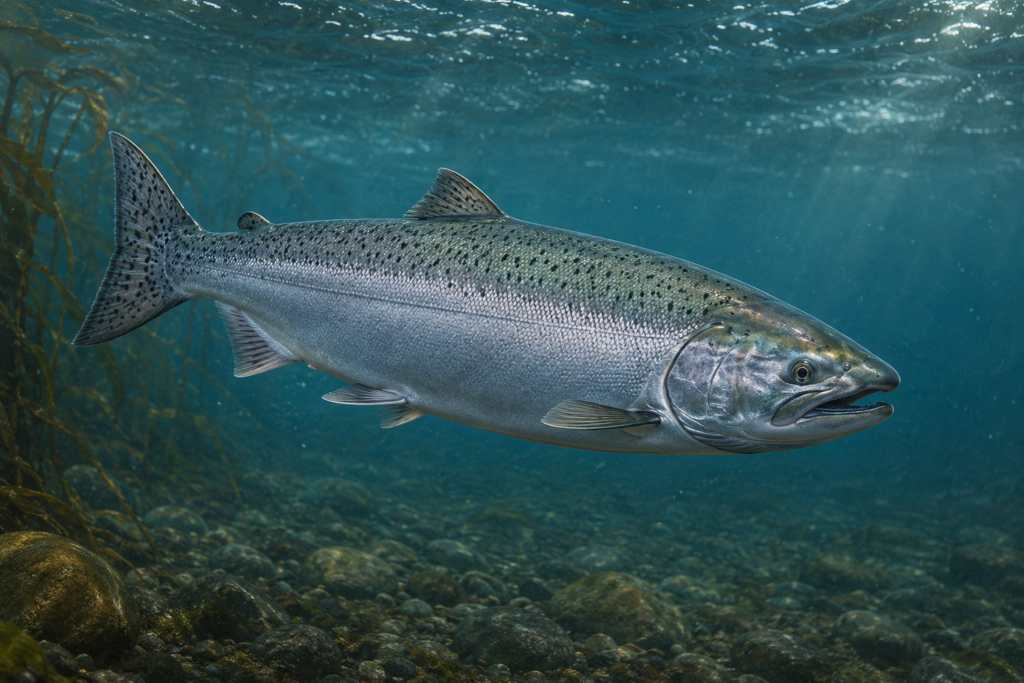 Illustration created using OpenAI
In a statement released by the province, Randene Neill said the agreement marks an important milestone for the future of BC’s coast.
Advertisement
“Today marks a wonderful step forward for the future of British Columbia’s coast. Together, the province, Canada and six coastal First Nations celebrated an agreement to establish a new national marine conservation area reserve (NMCAR) on the Central Coast. Located within the Great Bear Sea, the NMCAR is in one of the richest marine environments in the world, with incredible biodiversity and cultural significance,” Neill said.
According to the province, more than 75 per cent of British Columbians live and work near or on the coast, making the ocean central to the province’s economy, culture and identity.
“The majority of rural and urban British Columbians, more than 75% of our population, live and work near or on the coast. The ocean is a part of our identity and our collective well-being, central to so many communities. It supports families, livelihoods, cultures and creates a deep sense of connection,” Neill said.
The reserve is intended to protect critical marine ecosystems while continuing to support sustainable economic and recreational activities on the coast. The province says local tourism, along with commercial and recreational fishing, will continue within the reserve under a zoning approach designed to balance ecosystem health with coastal economic activity.
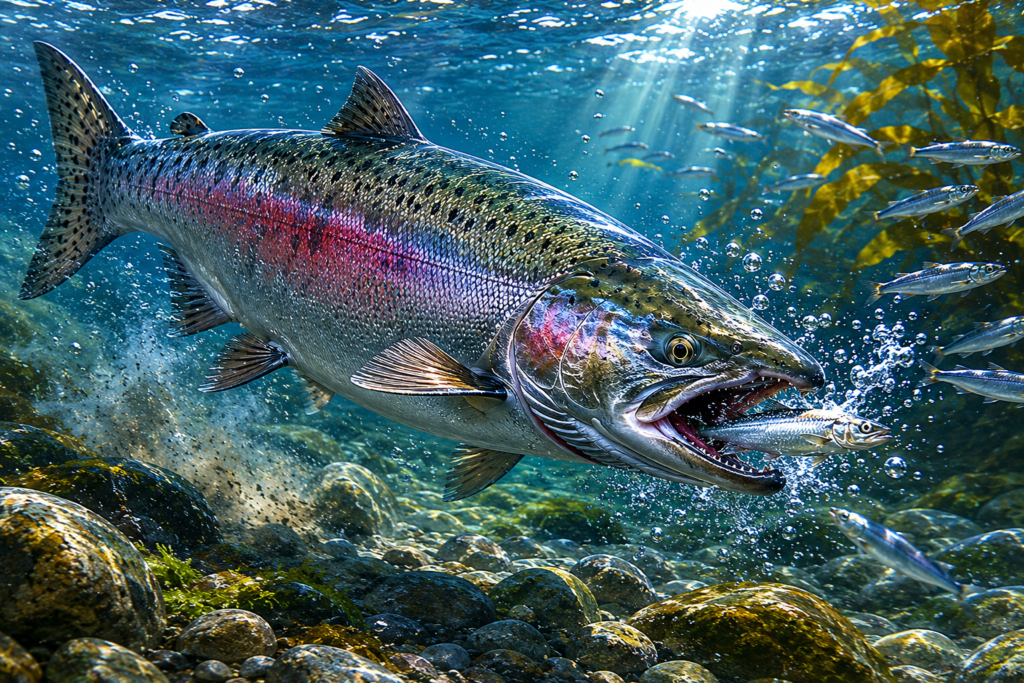 Illustration created using OpenAI
“This new conservation area will be called Mia-yaltwa Ha’lidzogm hoon, meaning, ‘Realm of the Salmon, Home of the Salmon.’ It will help safeguard marine ecosystems that people depend on, while supporting sustainable activities for generations to come. Local tourism and commercial and recreational fishing will continue within the reserve, guided by zoning that supports both healthy ecosystems and a strong coastal economy,” Neill said.
The province also says the conservation area will provide stable funding for Indigenous-led stewardship and Guardian programs, while creating opportunities for youth and strengthening coastal communities.
“Protecting this area helps maintain the natural systems that support families, jobs, cultures and coastal economies, making sure these benefits can continue for generations to come,” Neill said.
“This NMCAR will also provide stable funding for Indigenous-led stewardship and Guardian programs, create career pathways for youth, and strengthen community resilience.”
The agreement represents another step toward British Columbia’s goal of protecting 30 per cent of marine areas by 2030, as outlined in the province’s Coastal Marine Strategy.
“With our sights set on protecting 30 per cent of marine areas by 2030, today marks a clear step forward on the commitments set out in BC’s first-ever Coastal Marine Strategy. It reflects a made-in-BC, coast-wide approach to caring for our oceans, one that balances how we use and enjoy the coast with the need to protect it for the future,” Neill said.
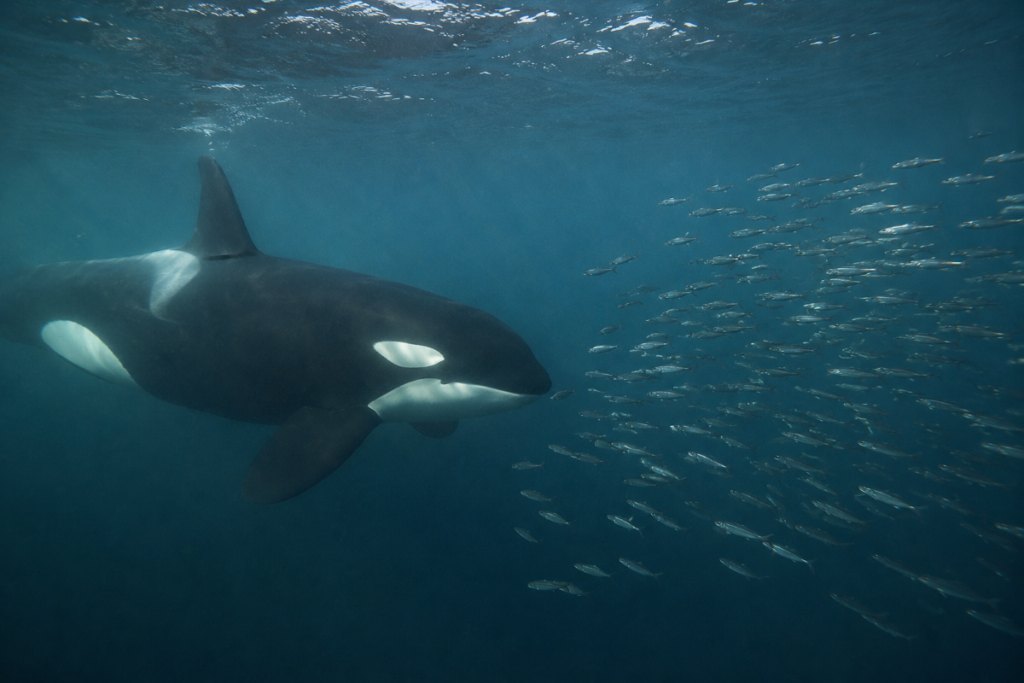 Illustration created using OpenAI
The province says the collaborative work between governments and First Nations will continue as the reserve moves toward implementation.
“We’re following through on our promise to ensure marine ecosystems, and the coastal economies that depend on them can continue to thrive, as we work together to build a strong, connected network of marine protected areas across BC’s coast,” Neill said.
“This is real, measurable progress, and it’s just the beginning. The collaboration that brings us here will continue through the implementation process and carry forward as the NMCAR becomes a lived reality. It demonstrates what’s possible when we come together with openness, respect and a shared commitment to doing things the right way.”