

Along the rugged coastline of British Columbia, a small, charismatic marine mammal is quietly reshaping entire ecosystems. The sea otter – once hunted to near extinction – has made a remarkable comeback in parts of the province. But its return is about far more than conservation success. Sea otters are a keystone species, meaning their presence has an outsized impact on the health and balance of coastal environments.
Advertisement
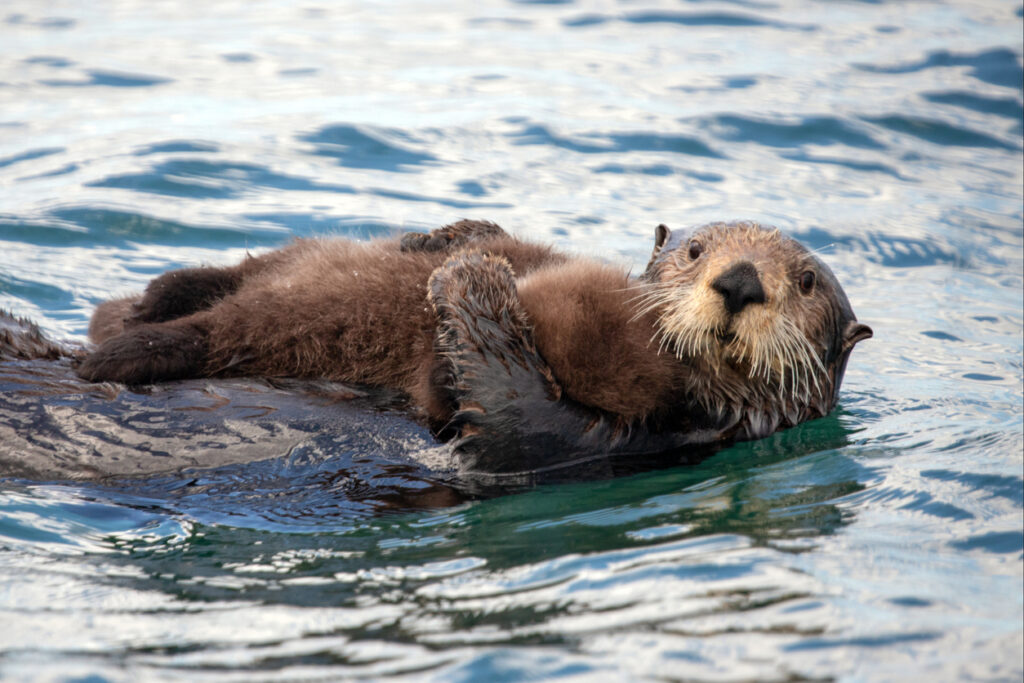 Photo by iStock
A Species Brought Back From The Brink
By the early 1900s, sea otters had disappeared from BC’s waters due to the maritime fur trade. Their dense pelts – among the thickest in the animal kingdom – made them a prime target for hunters. For decades, the species was locally extinct.
That changed between 1969 and 1972, when 89 sea otters were reintroduced to the west coast of Vancouver Island from Alaska. Since then, the population has steadily grown and expanded its range, with animals now found along much of the central and north coast.
Advertisement
Their recovery is often cited as one of Canada’s most successful marine reintroduction efforts – but it has also revealed just how critical sea otters are to coastal ecosystems.
Advertisement
Nature’s Balance Keepers
Sea otters are voracious predators, feeding on a diet of sea urchins, crabs, clams and other invertebrates. Among these, sea urchins play a particularly important role in shaping the underwater landscape.
Unchecked, urchin populations can explode – grazing aggressively on kelp holdfasts and transforming lush underwater forests into barren seascapes known as “urchin barrens.” In these areas, biodiversity plummets, and habitat for fish and other species disappears.
Sea otters prevent this collapse.
By preying heavily on urchins, otters keep their numbers in check, allowing kelp forests to thrive. These kelp forests are among the most productive ecosystems on Earth, providing food, shelter and nursery habitat for a wide range of species – from rockfish to herring.
The relationship is a textbook example of a trophic cascade: remove the top predator, and the entire system unravels.
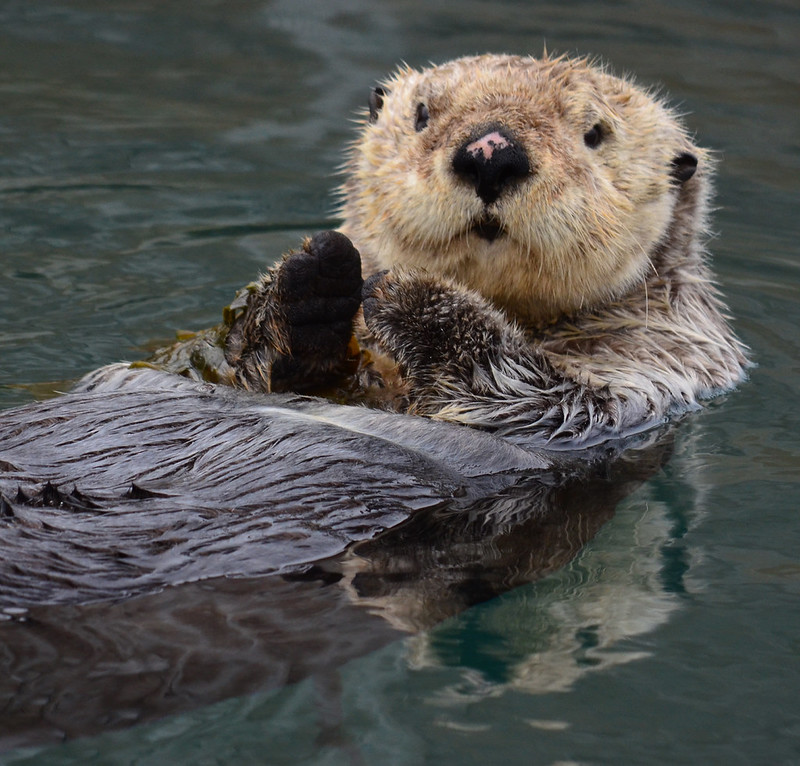 Photo by James Brooks, Flickr
Climate Allies Beneath The Surface
Healthy kelp forests don’t just support marine life – they also play a role in climate regulation. Kelp absorbs carbon dioxide as it grows, helping to mitigate the impacts of climate change.
By protecting kelp forests, sea otters indirectly support this natural carbon capture system. Some researchers suggest that regions with stable otter populations may store significantly more carbon than those without.
In a time when climate solutions are urgently needed, the ecological services provided by sea otters are gaining renewed attention.
A Complex Relationship With Coastal Communities
While ecologists celebrate the return of sea otters, their recovery has not been without controversy.
Sea otters consume many of the same species harvested by coastal communities, including crabs, clams and sea urchins. In some areas, their presence has led to declines in shellfish populations that support commercial, recreational and Indigenous fisheries.
For many First Nations along the coast, this has created tension. Shellfish harvesting is not only an economic activity but also a cultural practice with deep historical roots.
Balancing ecological restoration with food security and cultural traditions remains an ongoing challenge. Increasingly, conversations are focusing on collaborative management approaches that incorporate both scientific research and Indigenous knowledge.
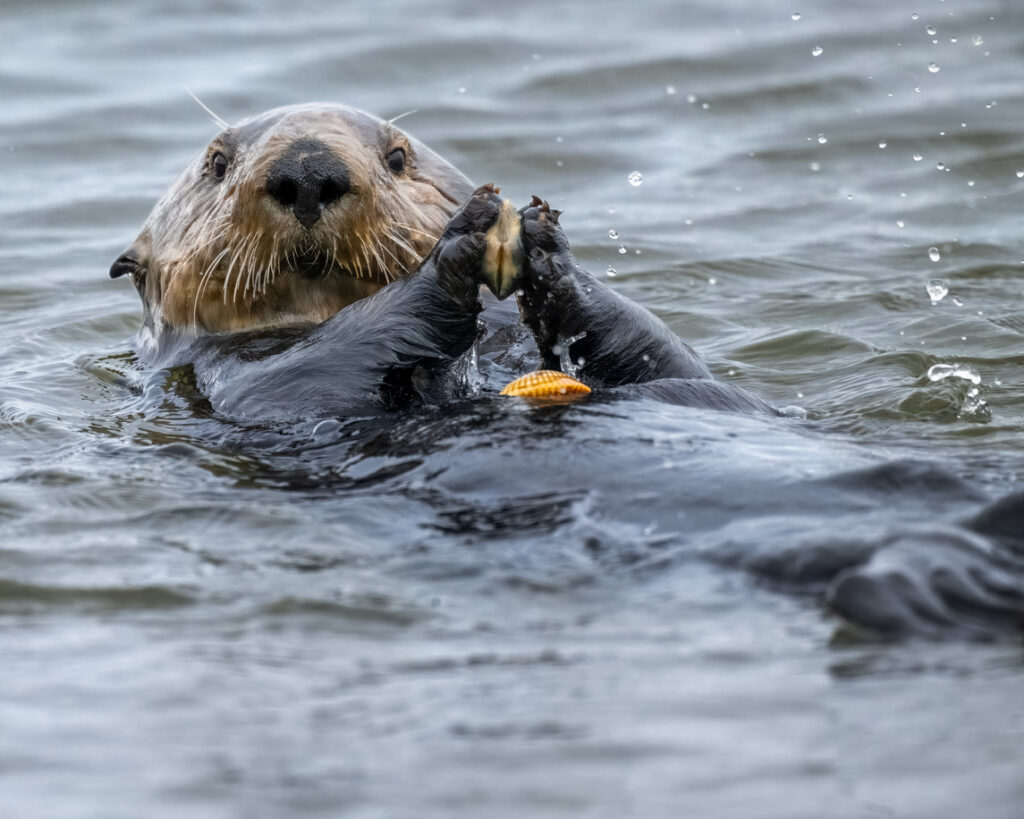 Photo by iStock
A Symbol Of Resilience
Today, sea otters are once again a familiar sight in parts of coastal British Columbia – floating on their backs, wrapped in kelp, or cracking open shellfish with rocks balanced on their chests.
Their return is a powerful reminder that ecosystems can recover when given the chance. But it also underscores the complexity of conservation, where ecological benefits can intersect with human livelihoods in unexpected ways.
As British Columbia continues to navigate this balance, one thing is clear: the sea otter is far more than a charming coastal resident. It is an architect of the marine environment – shaping the health, productivity and resilience of the Pacific coast, one urchin at a time.