

The rifle cracks late in the afternoon. The animal disappears into the timber, and the next few minutes feel urgent. There is a blood trail to find, meat to cool and a long route back to the truck. Daylight is draining away. That combination can tempt even an experienced hunter to hurry.
Advertisement
This is where the hunt changes. The shooting may be over, but the hazards multiply. Attention narrows, footing worsens, knives come out and a load that was easy on the hike in becomes punishing on the way out. A safe recovery begins by slowing down long enough to make a new plan.
Advertisement
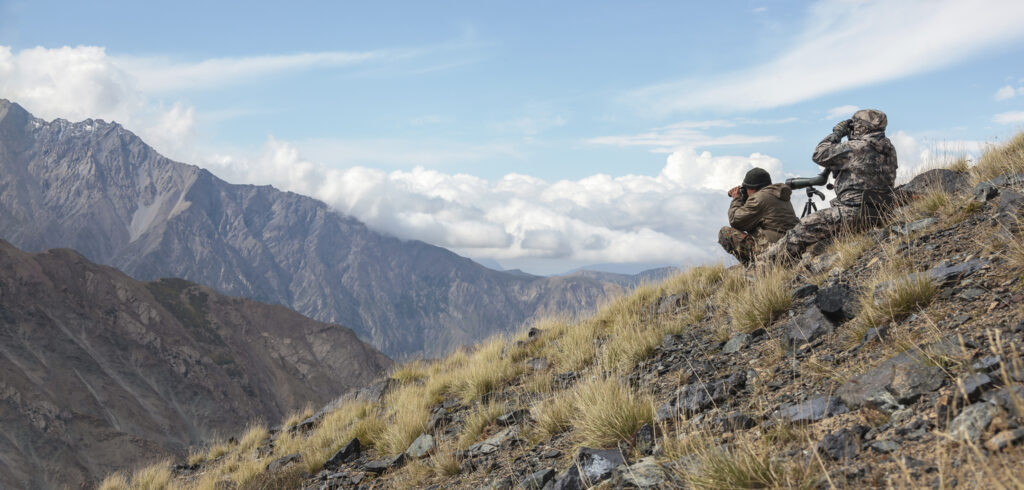 Photo by iStock
Stop Before Tracking
After the shot, stay still and watch. Note how the animal reacted, its direction of travel and the last place it was visible. Choose distinct landmarks rather than relying on a general impression of where it entered the trees. Mark your own shooting position on a map or GPS and note the time.
Advertisement
Do not rush straight to the last sighting. The appropriate waiting period depends on the species, shot placement, observed reaction, weather and other evidence. There is no single clock that fits every situation. Moving too soon can push a wounded animal farther, while waiting too long in warm conditions can affect meat. Use what you observed, inspect the point of impact carefully and follow species-specific recovery practices.
When you begin, protect the sign. Mark the animal’s position at the shot, the last place it was seen and each reliable point along the trail. Walk beside blood or tracks when possible so you do not destroy them. If the sign ends, return to the last confirmed point instead of wandering ahead and creating a second set of tracks.
Keep firearm safety at the centre of the recovery. Maintain muzzle control and know the condition of the firearm at all times. Darkness, branches, deadfall and a partner moving unpredictably can make a firearm more difficult to manage. Before climbing, crossing an obstacle or beginning field dressing, make the firearm safe in accordance with its design and your training.
Reassess The Recovery
Before following the trail into thicker cover, ask whether the original hunt plan still works. A short evening hunt may now involve several hours of tracking, field dressing and packing. Check the remaining daylight, weather, temperature, terrain, distance to the vehicle, condition of everyone in the party and available communication.
Set limits before fatigue makes the decision for you. Decide what conditions will stop the search, which route you will use to leave, and when an overdue contact should call for help. If you change drainage, trailhead or access road, update your responsible contact while communication is still available.
In British Columbia, tracking wounded wildlife can still meet the legal definition of hunting. Hunters must carry the required licences, and a wounded animal crossing a property line does not create a right to enter private land. The province advises obtaining permission before entering fenced or posted property; written permission is recommended. Current regional rules, access restrictions and in-season updates should be checked before every hunt.
Prepare For Darkness
A phone flashlight is not a recovery plan. AdventureSmart notes that many unplanned nights begin when people simply run out of daylight, and that travel becomes more dangerous after dark. Carry a headlamp on your body, not at the bottom of a shared pack, along with spare batteries and a backup light.
Navigation also needs a backup. Download maps before leaving service, but carry a paper map and compass and know how to use them. A satellite messenger or personal locator beacon can provide a way to request help beyond cellular coverage, but electronics do not replace a trip plan or survival gear.
Every day pack should contain enough to survive a delay: an emergency shelter, insulating layers, rain protection, fire-starting supplies where their use is lawful and safe, a whistle, first aid supplies, extra food and water, and a way to navigate and communicate. Keep critical gear on your person if horses, ATVs or other equipment could become separated from you.
If darkness makes the route unsafe, stop. A twisted ankle on wet rock, a fall on deadfall or a wrong turn above a steep drainage can create a far greater problem than an uncomfortable night. Shelter from wind and precipitation, add dry insulation, communicate your location and conserve the energy needed to leave safely.
Work Safely At The Animal
Confirm the animal is dead from a safe distance before approaching. Watch for breathing or other movement and approach cautiously. Once the animal is confirmed dead, secure your firearm before beginning any work. A firearm leaning against a tree or lying under clothing can be knocked over, lost in the dark or contaminated during field dressing.
Field dressing adds a different set of hazards. Fatigue, cold hands, poor light and awkward body position make a sharp blade less forgiving. Use a sharp knife suited to the task, cut away from your body and keep your free hand and your partner outside the cutting path. Stabilize the carcass before cutting. If the animal shifts on a slope, stop and reposition it rather than trying to hold it with one hand while cutting with the other.
Wear disposable gloves and consider eye protection. Avoid cutting into the stomach, intestines or bladder, and keep dirt, hair and digestive contents away from exposed meat. Wash hands and equipment thoroughly after field dressing. If the animal appeared sick or you find unusual growths, abscesses or abnormal organs, avoid further contact and seek guidance from the BC Wildlife Health Program or Conservation Officer Service before consuming the meat.
Carry a first aid kit that can manage more than a blister. It should include gloves, gauze and dressings capable of controlling significant bleeding. Know how to apply firm, direct pressure and how to summon help. Wilderness first aid training matters because care and evacuation may take hours in remote country.
 Photo by iStock
Cool The Meat Promptly
Meat care and personal safety are connected. Large animals retain heat, even when the air feels cold. BC’s safe game meat guidance recommends cooling a carcass rapidly; quartering or deboning can help cool larger animals. Keep meat clean, shaded and exposed to airflow in clean game bags, then keep it properly chilled during transport and storage.
Plan the pack-out before lifting. Estimate the load, route and number of trips. Divide weight according to each person’s ability and secure it so it cannot shift. A load that blocks your view or pulls you off balance is too heavy, especially on steep, wet or brushy ground. More trips may take longer, but one overloaded trip can end with an injured hunter and meat still on the ground.
Follow the current BC rules for cancelling a species licence and retaining evidence of species and sex. Hunters must also check chronic wasting disease requirements before moving a cervid carcass. Testing and transport rules apply in designated areas and can change as surveillance information develops.
Expect Bears Near A Carcass
A kill site, gut pile and cached meat can attract bears and other scavengers. Carry bear spray where it can be reached immediately and know how to use it. A can buried inside a pack is of little value during a close encounter. Stay alert while working, keep the area around the carcass as visible as possible and watch for fresh tracks, disturbed vegetation or a carcass covered with soil and debris.
Use extra caution when returning for another load. Approach from a position that offers visibility, make your presence known and scan the site before moving in. If a bear is on the carcass or appears to have claimed it, do not challenge the animal or attempt to drive it away. Leave the area and contact the Conservation Officer Service for advice if public safety is at risk.
Make The Decision Before The Shot
The safest recovery decision often happens while the animal is still standing. Before taking a late shot, consider where the animal is likely to travel, whether you can track it safely, how long field dressing will take and whether the meat can be packed out and cooled. A legal shooting time does not guarantee enough usable light for recovery.
A filled tag can create a strong urge to finish the job at any cost. Ethical recovery remains essential, but urgency should not erase judgment. Pause after the shot, preserve the trail, reassess the route and be willing to shelter or seek help when conditions exceed the plan. The goal is not simply to reach the animal. It is to bring the hunter and the harvest home safely.