

With their oversized ears and watchful expression, mule deer are among British Columbia’s most recognizable big-game animals. Those ears are not merely the feature that inspired their name – they are finely tuned tools for detecting danger.
Advertisement
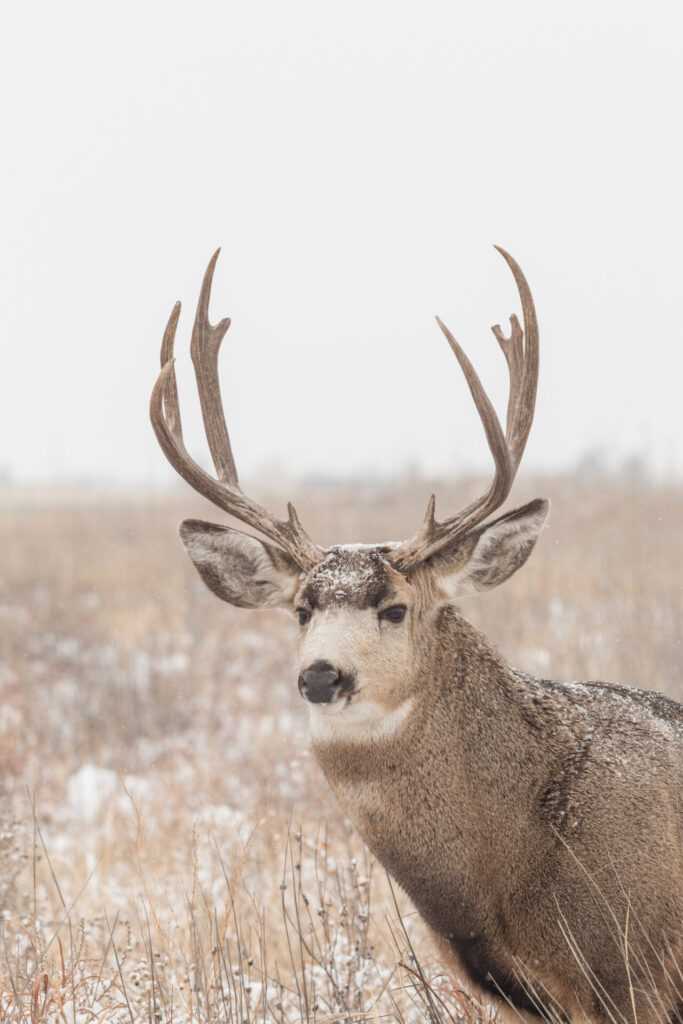 Photo by iStock
Each ear acts like a movable sound collector. Its broad, cupped shape captures sound waves and directs them toward the ear canal. Mule deer can also move their ears independently, aiming one toward a suspicious noise while the other continues scanning elsewhere. By adjusting their ears and comparing when and how strongly a sound reaches each one, deer can more accurately determine its direction.
Advertisement
This allows a mule deer to investigate a noise without turning its entire head. That matters for an animal that relies on remaining inconspicuous. A deer bedded in cover can continue watching one area while directing an ear toward footsteps, snapping branches or an unfamiliar call coming from another direction.
Advertisement
Their hearing works alongside other senses. Mule deer have a wide field of view, a strong sense of smell and a well-developed ability to detect movement. Together, these senses help them monitor for cougars, wolves, coyotes and people. Research has also shown that mule deer can recognize meaningful sounds made by other species: in one playback study, deer became more vigilant after hearing yellow-bellied marmot alarm calls than they did after hearing ordinary birdsong.
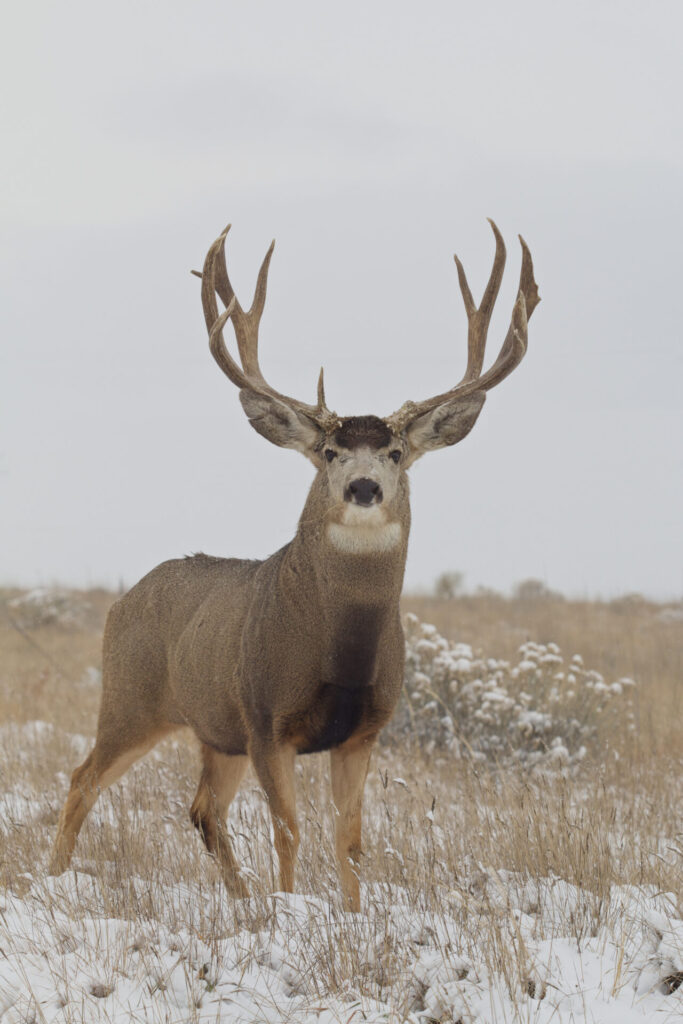 Photo by iStock
For hunters and wildlife watchers, a mule deer’s ears can reveal where its attention is focused. Ears held forward suggest the animal is concentrating on something ahead. An ear turned sharply to one side may indicate that it has detected a noise outside its field of view. Rapidly swivelling ears often signal heightened alertness – even when the rest of the deer appears calm.
Wind can complicate that acoustic picture by rustling vegetation and carrying sounds unpredictably, but it also carries scent. A careful mule deer may therefore spend several moments listening and testing the air before deciding whether to remain still or bound away.
Mule deer occur through much of BC, particularly in the southern interior and northeastern parts of the province. Whether encountered on an open hillside or nearly hidden among the trees, their constantly moving ears are a reminder that the deer is taking in far more than it appears to be.