

A large-scale restoration project is underway in the Cowichan Estuary, where partners are working to restore 70 hectares of salt marsh, strengthen Indigenous food systems and protect habitat for fish and wildlife.
Advertisement
Known as the Quw’utsun/Xwulqw’selu (Cowichan/Koksilah) Estuary Restoration and Food System Revitalization Project, it is the largest estuary restoration project undertaken on Vancouver Island and one of the largest coastal restoration and revitalization projects in BC.
Advertisement
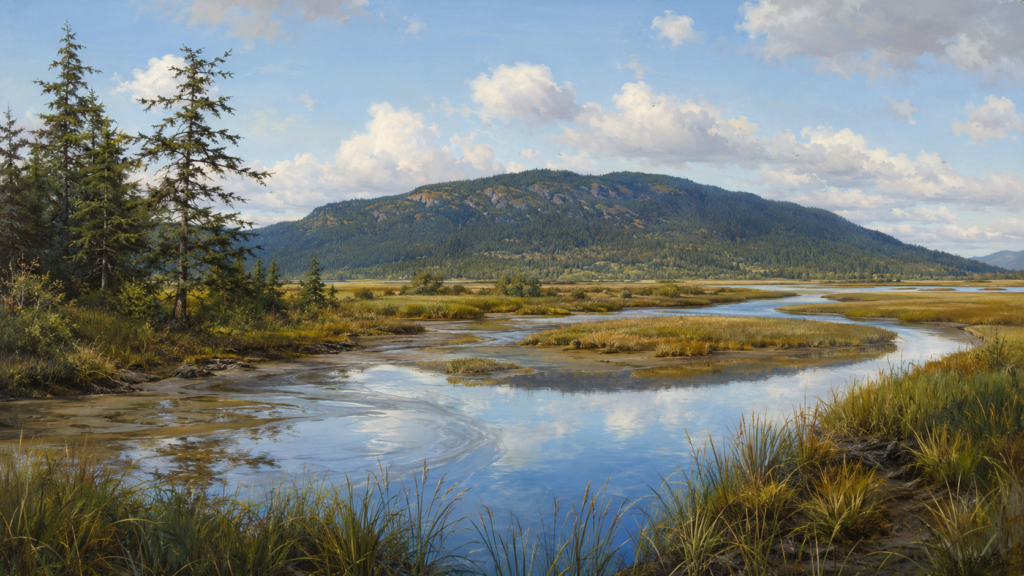 Illustration created using OpenAI
The province has provided $500,000 to support the work, which is being carried out through a partnership between the Nature Trust of BC and Cowichan Tribes. Long-term partners and funders also include the Habitat Conservation Trust Foundation, Ducks Unlimited Canada, Fisheries and Oceans Canada, and Environment and Climate Change Canada.
Advertisement
“Estuaries like this are part of what makes the Cowichan Valley one of the most beautiful and vibrant regions in British Columbia,” said Randene Neill, Minister of Water, Land and Resource Stewardship. “Once restored, this habitat will help neighbouring communities and farmlands become more resilient to flooding, strengthen local food systems, and support thriving ecosystems for the plants and wildlife that depend on them, now and for generations to come.”
Reconnecting The Estuary
Estuaries form where freshwater rivers meet the ocean, creating productive transition zones influenced by both fresh and salt water. Although estuaries account for only 2.3 per cent of BC’s coast, they support more than 80 per cent of coastal fish and wildlife during some stage of their life cycles.
Species that depend on these ecosystems include wild Pacific salmon, steelhead, shorebirds, waterfowl, short-eared owls, grizzly bears and orcas. Estuaries also support commercially, culturally and recreationally important species such as herring, crabs, clams, oysters and other forage fish.
The Cowichan Estuary provides important habitat for salmon, shellfish, aquatic wildlife and plants on one of Vancouver Island’s most important chinook salmon rivers. According to the project StoryMap, restoration is intended to re-establish natural estuarine processes by removing human-made barriers to marsh development and reconnecting freshwater channels with tidally influenced areas.
The work includes removing a 1.6-kilometre dike at Dinsdale Farm and 1.3 kilometres of remnant agricultural berms at Koksilah Marsh. Intertidal channels and salt-marsh habitat are being created for juvenile salmonids, crabs, shellfish, and breeding and migratory birds. Marine riparian areas and flood-fringe forests will also be restored, along with areas historically cut off from tidal influence.
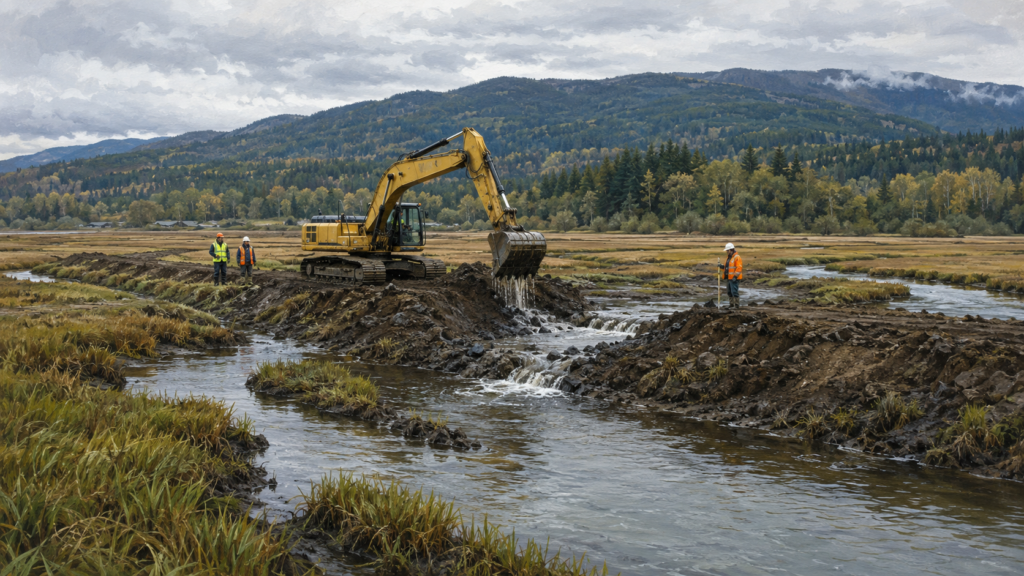 Illustration created using OpenAI
Preparing For Rising Seas & Floods
Reducing long-term flood risk is one of the project’s primary goals. Healthy marshlands can absorb floodwater, buffer storm surges, stabilize shorelines and help coastal areas respond to sea-level rise.
Monitoring has indicated that the Cowichan Estuary is vulnerable to “coastal squeeze,” which occurs when rising seas push tidal habitat inland while dikes, roads or development prevent the marsh from migrating. Without restoration, 60 per cent of the estuary’s marsh habitat could be lost under predicted sea-level-rise scenarios by 2100.
The project underwent engineering and hydraulic reviews using current modelling, historic records and field observations. It was also reviewed and approved by the Deputy Inspector of Dikes under the Dike Maintenance Act, including an assessment of whether flood risk could be transferred to surrounding properties. The project is expected to improve the movement of Koksilah River floodwater into the estuary rather than increase flooding on neighbouring lands and roads.
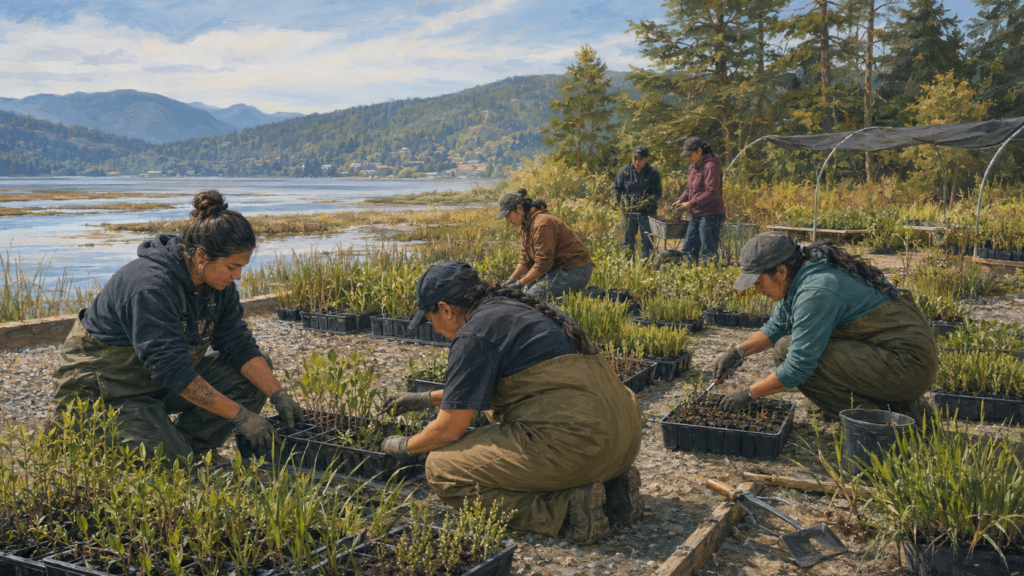 Illustration created using OpenAI
“The Nature Trust of BC is deeply grateful for the province’s support of this project. This partnership reflects our collective commitment to working together in a meaningful, collaborative way – ensuring these ecosystems remain resilient for the future, supporting not only fish and wildlife, but the coastal communities that depend on them for food, medicine and nature-based solutions to the ongoing threats of coastal flooding and sea level rise,” said Tom Reid, West Coast conservation land manager with the Nature Trust of British Columbia.
Ducks Unlimited Canada and its partners have been involved in conserving and restoring the Cowichan Estuary for more than four decades.
“Ducks Unlimited Canada and our partners have actively worked to conserve, restore, and steward the Cowichan Estuary since the early 1980s. This vital ecosystem supports diverse wildlife, while delivering essential community benefits, including flood resilience. A collaborative, science-based approach has been, and will continue to be, essential for the long-term health of the estuary. We are grateful for the province’s investment as we advance this work together,” said Matt Christensen, manager of provincial operations, BC, Ducks Unlimited Canada.
Revitalizing Indigenous Food Systems
Restoration extends beyond fish and wildlife habitat. Cowichan Tribes Elders and members have helped guide the project’s design, including plans to grow and plant species with cultural, ecological and food value.
The Hulitun Spulhxun/Tumuhw (Nurturing Fields) plant nursery is being expanded to produce more native plants for the restoration. These plants will help rebuild habitat while supporting culturally important foods and medicines, food security and opportunities to pass harvesting knowledge to future generations.
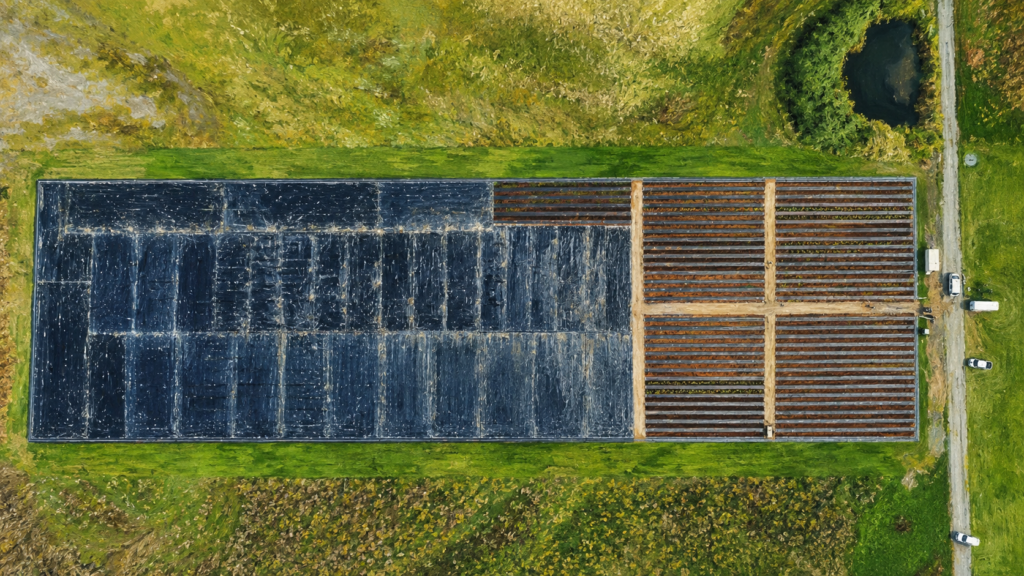 Illustration created using OpenAI
“This project reflects generations of Quw’utsun stewardship and the responsibility we carry to care for these lands and waters. By restoring the connections between the estuary’s lands, waters, plants, fish, and people, we are strengthening Indigenous food systems, supporting healthier habitats and creating opportunities for our children and grandchildren to reconnect with the harvesting practices that have sustained Quw’utsun Mustimuhw since time immemorial,” said Chief Sulsulxumaat, Cindy Daniels, Cowichan Tribes.
Additional work will include creating and improving habitat for fish, birds and other wildlife, restoring natural areas, monitoring groundwater conditions and improving visitor access. Upgraded trails, new signage and a viewing platform are among the planned public-access improvements.
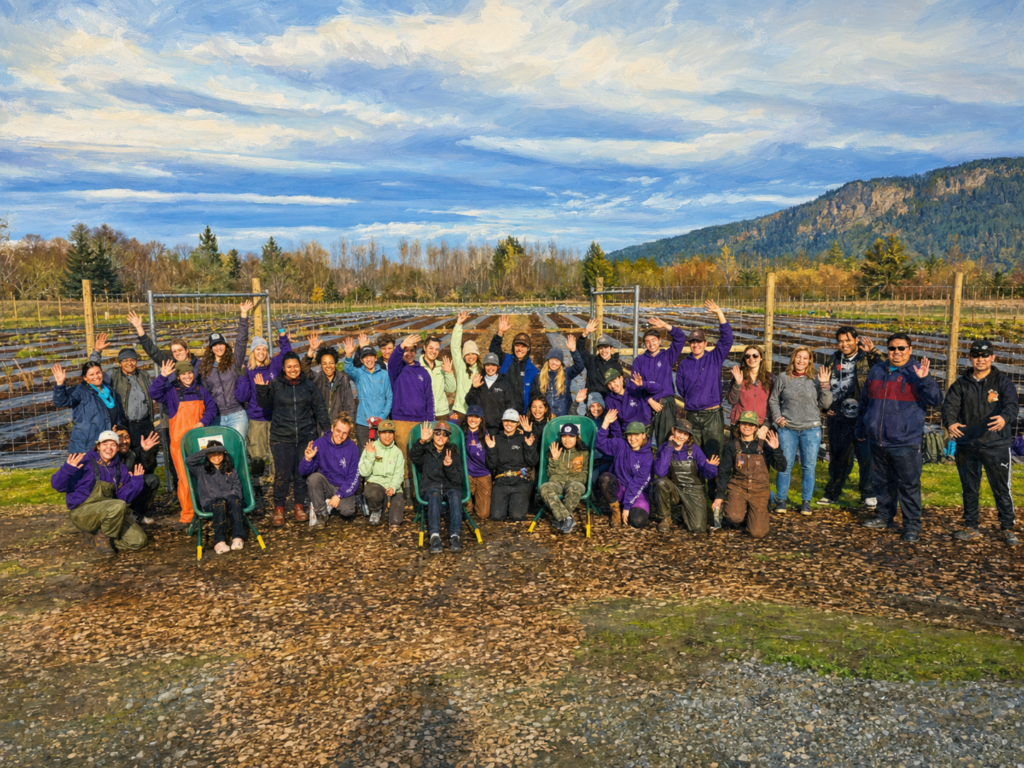 Illustration created using OpenAI
“In restoring the Cowichan Estuary, the largest estuary restoration project on Vancouver Island, project partners are taking a significant step in preserving and stewarding vital salmon, shellfish, bird and plant habitats from being eroded by climate change. Creating strong relationships between Quw’utsun, project partners, governments and community members has brought many teaching about Indigenous food systems and a deep connection to the land that will thrive for future generations as the estuary’s health improves,” said Debra Toporowski (Qwulti’stunaat), MLA for Cowichan Valley.
In June 2026, the project received the Real Estate Foundation of BC’s Land Award for Food Sovereignty. Presented every two years, the award recognizes leadership in protecting lands and waters and advancing sustainable, inclusive and resilient communities.
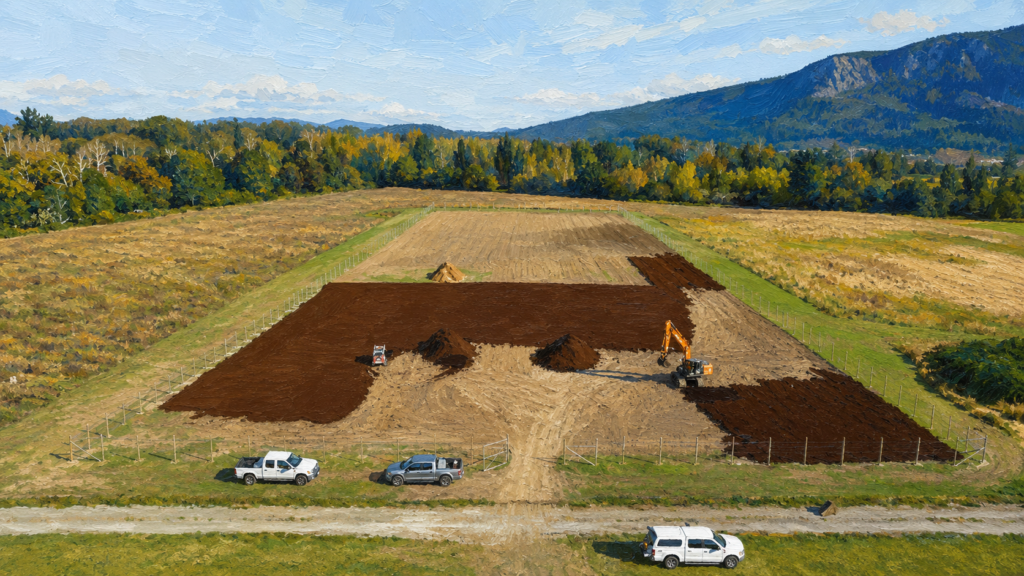 Illustration created using OpenAI