

British Columbia’s next cycle of hunting and trapping regulations is now set, with final rules scheduled to take effect in mid-2026. While the public consultation period has closed, the changes under review — and the parallel policy discussions affecting anglers — highlight how regulatory decisions made months or years in advance can shape opportunity on the ground.
Advertisement
 Photo by iStock
A New Hunting And Trapping Cycle Begins In 2026
The province of British Columbia reviews hunting and trapping regulations on a two-year cycle. For the 2026–2028 Hunting and Trapping Regulations Synopsis, the ministry responsible for wildlife management invited public input on a broad range of proposed changes between Jan, 12 and Feb. 13, 2026.
Advertisement
According to the province, proposals addressed issues such as season structure, Limited Entry Hunting (LEH) and General Open Season (GOS) opportunities, harvest methods, access management, and how regulations are delivered to hunters. The finalized synopsis will come into effect July 1, 2026, and remain in place through June 30, 2028.
Advertisement
Public feedback was collected through the provincial engagement portal. Comments were visible only to government staff and the individual submitting them, with submissions summarized for decision-makers rather than debated in a public forum.
Key Themes Raised During The Review
While proposals varied by region and species, several recurring themes attracted attention from hunters and stakeholder groups across the province.
LEH & GOS Structure
Changes to the balance between LEH and GOS opportunities were among the most closely watched proposals. In some regions, adjustments were suggested to shift hunts between LEH and GOS or to modify season timing and eligibility.
Organizations such as the BC Wildlife Federation publicly commented on several proposals, supporting some changes while opposing others. These discussions highlighted the ongoing tension between maintaining opportunity, managing harvest pressure, and addressing conservation concerns.
Method Of Harvest Considerations
Proposals also included changes related to hunting methods. One example that drew attention was the discussion around the use of lead shot for hunting beyond existing restrictions for waterfowl. Stakeholder groups offered differing perspectives on wildlife health, human health considerations, and the practicality of alternatives, underscoring how method-of-harvest rules often generate strong and varied responses.
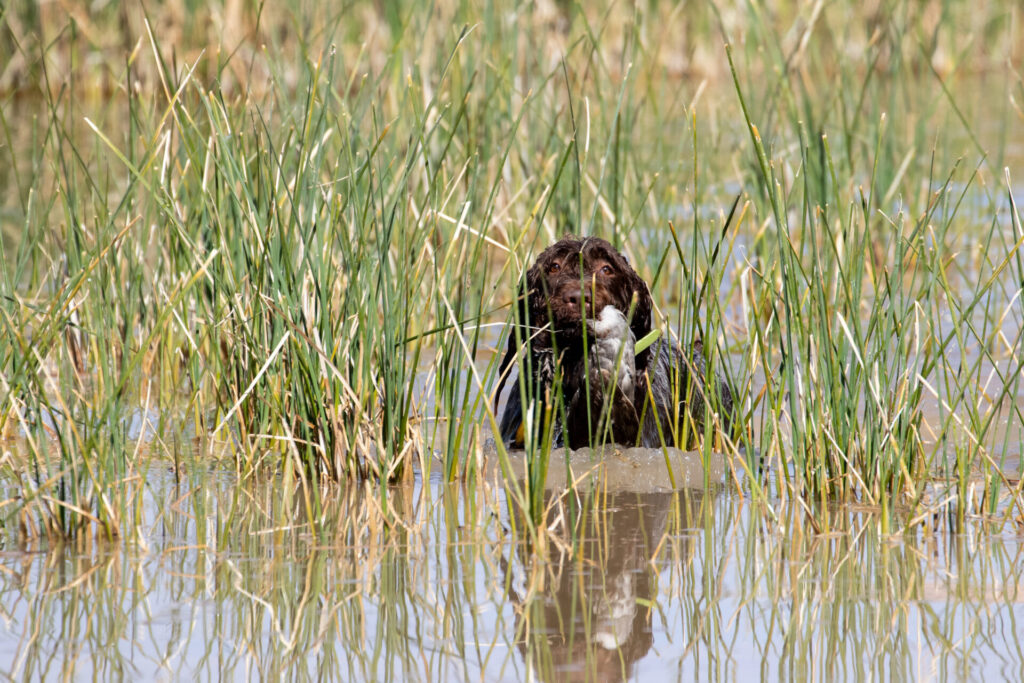 Photo by iStock
Access Management
Motor vehicle restrictions and firearms-related access measures were also part of the review. Access management remains a complex issue in British Columbia, balancing wildlife habitat protection, public safety, and the practical realities of reaching remote areas — particularly in regions where road access is limited.
How Regulations Are Delivered
Another proposal involved moving further toward digital-only access to hunting and trapping regulations. While digital formats offer efficiency and up-to-date information, some organizations raised concerns about accessibility in remote areas or for hunters who rely on printed materials in the field.
What Happens After Consultation Closes?
Once the consultation period ends, provincial staff review submissions alongside biological data, Indigenous Knowledge, and enforcement considerations. Final decisions are reflected in the published synopsis, which becomes the legal framework for hunting and trapping during the two-year cycle.
For hunters, this makes the release of the final regulations an important moment — particularly for those planning multi-year LEH strategies or investing in equipment and travel based on anticipated opportunity.
 Photo by iStock
A Related Issue For Anglers: Salmon Allocation Policy
While provincial hunting regulations are being finalized, many anglers are also following a separate but significant federal process: the review of Canada’s Pacific Salmon Allocation Policy.
Led by Fisheries and Oceans Canada, the policy review examines how available salmon harvest is allocated among First Nations, commercial, and recreational fisheries. The existing policy dates back to 1999, and federal officials say it no longer reflects current conservation pressures, treaty obligations, or court decisions recognizing First Nations fishing rights.
The review has drawn attention from recreational anglers, coastal communities, and Indigenous governments, each emphasizing different priorities. While DFO has stated that salmon remain a public resource managed by the federal government, stakeholder groups continue to watch closely for how policy language may translate into on-the-water impacts.
Why These Processes Matter
Regulatory reviews are often easy to miss until their effects are felt during a season. Yet both the provincial hunting synopsis and the federal salmon allocation policy influence access, opportunity, and long-term planning for hunters and anglers across British Columbia.
Understanding how these processes work — and when engagement opportunities arise — can help outdoors enthusiasts stay informed and prepared as rules evolve.
The final 2026–2028 Hunting and Trapping Regulations Synopsis is expected to be published ahead of its July 2026 start date. Anglers can expect further updates from Fisheries and Oceans Canada as the salmon allocation review continues.
For hunters and anglers, these developments serve as a reminder that time spent following policy discussions can be just as important as time spent scouting, tying flies, or checking trail cameras.