

By the time a hunter settles against a spruce tree at dawn or an angler watches the line drift through a riffle, something subtle begins to change. The noise of daily life fades, breathing slows and the senses sharpen. Many outdoorspeople instinctively know that time outside makes them feel better. Increasingly, science is confirming what hunters and anglers have experienced for generations: spending time in nature can significantly improve mental health.
Advertisement
 Photo by iStock
Nature As A Mental Reset
Modern life often keeps people indoors, staring at screens and juggling constant demands. That environment can contribute to stress, fatigue and anxiety. Research shows that simply spending time in natural environments can counter many of those effects. Studies consistently link exposure to nature with improved mood, reduced stress, lower anxiety and better cognitive function.
One reason is the way natural environments affect the brain. Urban settings demand continuous attention – traffic, noise, screens and crowds all compete for mental energy. In contrast, forests, rivers and mountains engage the brain more gently. This phenomenon, known as attention restoration, allows the brain to recover from mental fatigue and regain focus.
Advertisement
For hunters and anglers, that restorative effect often begins the moment boots hit the trail or a boat leaves the dock.
Advertisement
Lower Stress & Anxiety
One of the most consistent findings in research on nature exposure is its ability to reduce stress. Studies show that spending time outdoors can lower cortisol, the body’s primary stress hormone. Even short exposures can help: spending about 20 minutes in a natural environment can significantly reduce stress levels.
Scientists have also found that natural settings can reduce activity in the brain’s threat-processing centre, the amygdala, helping people shift out of the body’s constant “fight-or-flight” mode.
That helps explain why many anglers say a day on the water clears their head. Watching a float drift downstream or waiting for a strike forces the mind into a slower rhythm – one that modern life rarely allows.
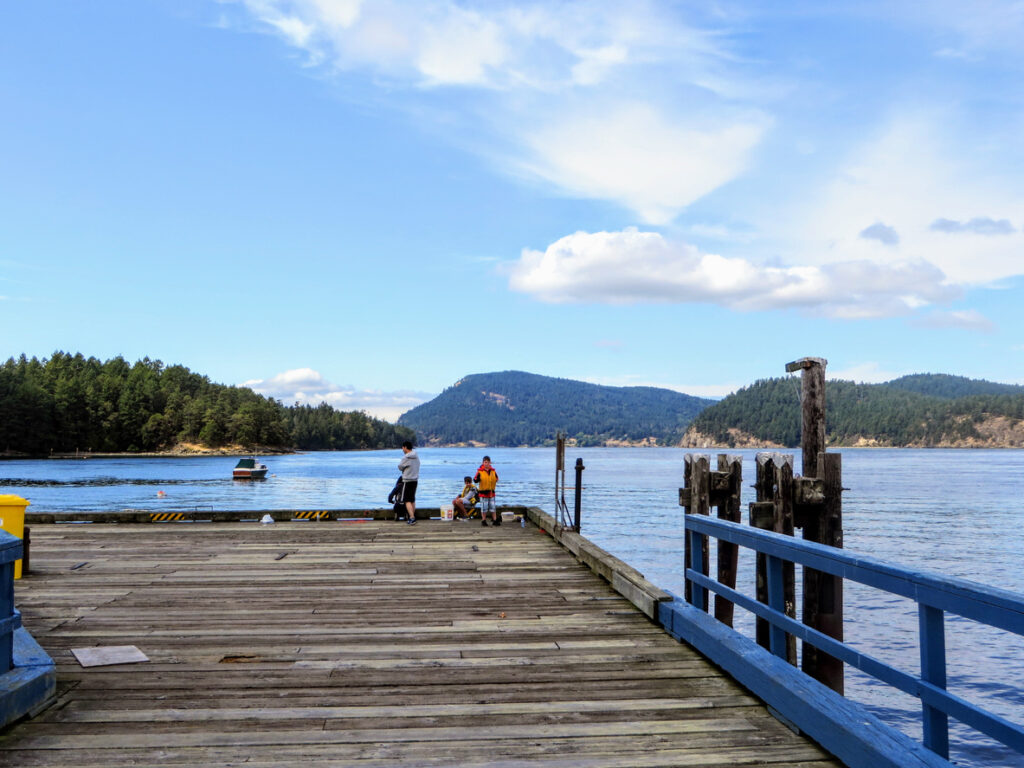 Photo by iStock
Fighting Depression & Improving Mood
Spending time in natural environments can also help reduce symptoms of depression and anxiety. Multiple studies examining activities in forests and other natural settings have found significant improvements in mood and emotional well-being.
The Japanese practice of “forest bathing,” or shinrin-yoku, has become a focus of scientific research in recent decades. The concept is simple: immersing oneself in the sights, sounds and smells of a forest. Studies have shown that this type of nature exposure can reduce symptoms of depression, anxiety and negative emotions while promoting overall mental well-being.
Hunters sitting quietly in the woods during deer season may unknowingly be practising a form of forest therapy.
The “Green Exercise” Effect
Physical activity itself is known to improve mental health, but exercise in natural environments appears to amplify those benefits. Research comparing outdoor activity with similar activity in urban or indoor settings found greater improvements in anxiety, fatigue and positive mood when the activity occurred in nature.
For anglers hiking into remote lakes or hunters climbing ridges in pursuit of game, this combination of movement and wilderness provides a powerful mental-health boost.
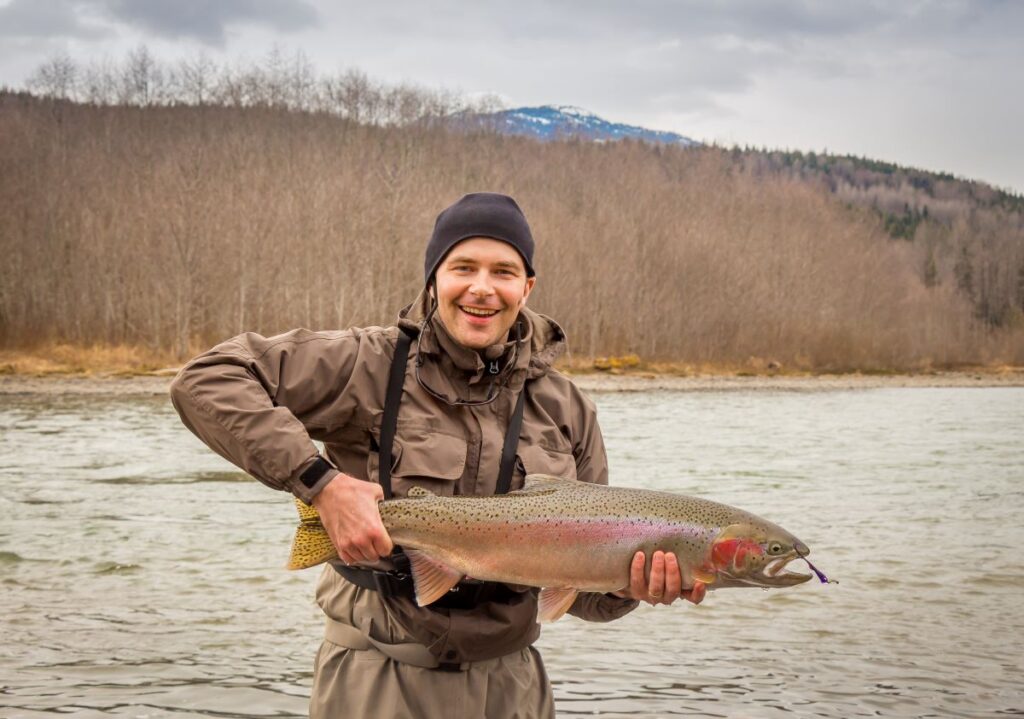 Photo by iStock
How Much Time Outdoors Helps?
The good news is that it doesn’t take a wilderness expedition to benefit from nature. Studies suggest that two hours per week spent outdoors is associated with better overall health and well-being.
Even short exposures matter. Research shows that just a few minutes in natural environments can improve attention and mood.
For dedicated outdoorspeople, however, the time often goes far beyond that – entire weekends spent chasing salmon runs or sitting in a duck blind may provide far more than recreation.
A Sense Of Connection & Purpose
Beyond physiology, time outdoors offers psychological benefits that are harder to measure but equally important. Being in wild places fosters a sense of connection – to landscapes, wildlife and natural cycles.
Studies suggest that individuals who feel a stronger connection to nature tend to experience lower levels of stress and anxiety and higher overall well-being.
For hunters and anglers, that connection is often deeply rooted in tradition. Learning to read a river, track animals or understand seasonal patterns cultivates mindfulness and patience – qualities strongly associated with mental resilience.
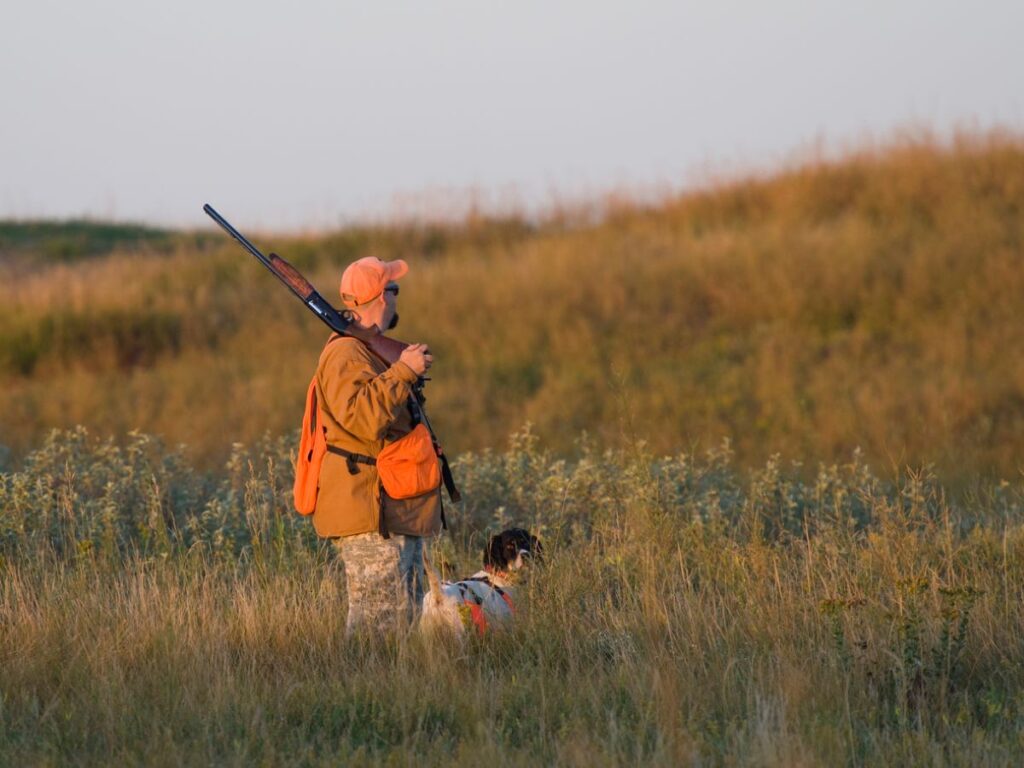 Photo by iStock
The Outdoors As Medicine
Today, some doctors are beginning to prescribe time outdoors as part of treatment for mental health conditions. Programs that combine therapy with guided nature experiences have shown promising results, with participants reporting significant improvements in mood and well-being.
But long before researchers and physicians began studying the phenomenon, outdoorspeople were already practicing it.
The Takeaway
Whether it’s casting for steelhead on a coastal river, hiking into a mountain basin for elk or simply watching the tide turn while waiting for halibut, time outside does more than provide adventure.
Science increasingly shows that those moments in wild places can reduce stress, sharpen focus, lift mood and strengthen emotional resilience.
For hunters and anglers, the next trip into the field may not just be recreation – it may also be one of the best investments in mental health available.
And as any seasoned outdoorsperson will tell you, sometimes the greatest catch of the day isn’t a fish or a trophy animal – it’s the quiet clarity that comes from simply being out there.