

By any measure – economic, ecological or cultural – British Columbia’s hunting, fishing and outdoor community is built on something deeper than licenses, regulations or gear. It runs on people. More specifically, it runs on volunteers.
Advertisement
For readers of BC Outdoors, this isn’t a revelation – it’s lived experience. Whether it’s a local fish and game club hosting a kids’ derby, a conservation group restoring spawning habitat, or a shoreline cleanup crew hauling out bags of debris, volunteers are the quiet force keeping the outdoor lifestyle alive and thriving.
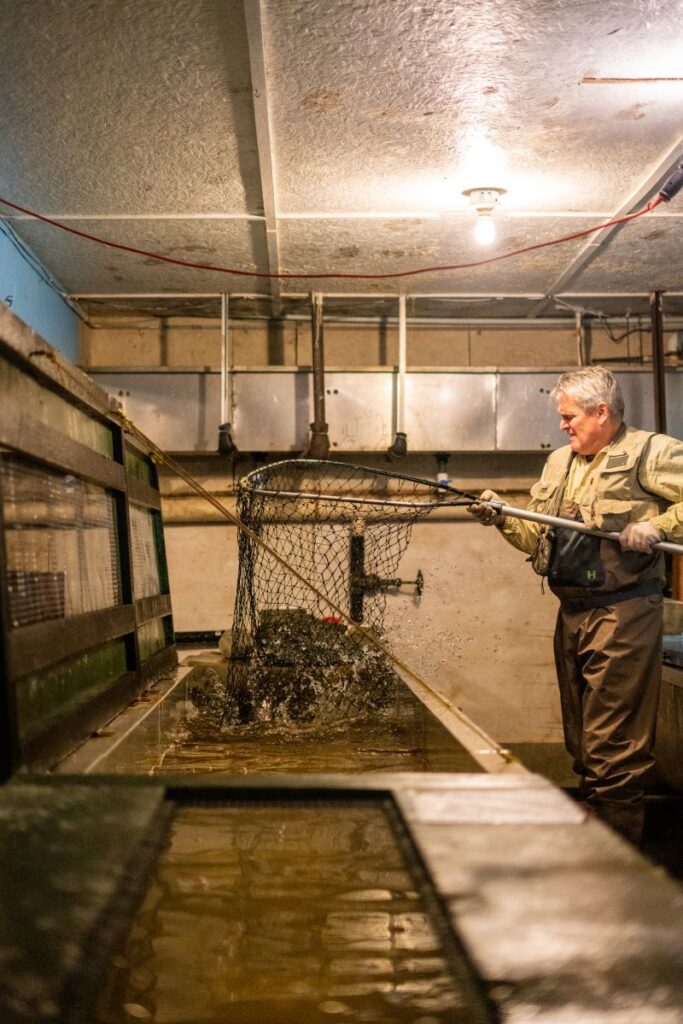 Cowichan Lake Salmon Enhancement Society
Photo by Chase White
A Conservation Force Few People See
In British Columbia, conservation is often framed through policy or science – but on the ground, it’s powered by boots, gloves and time. Volunteers take on roles that would otherwise go unfunded or undone.
Advertisement
From habitat restoration to wildlife monitoring, environmental volunteers contribute directly to protecting biodiversity and ecosystems – work that is essential as pressures like climate change and development intensify.
Organizations like the BC Wildlife Federation rely on hundreds of volunteers to support everything from youth education to conservation projects and advocacy. These aren’t small contributions – they’re foundational. Without them, many programs simply wouldn’t exist.
Advertisement
And the impact extends well beyond provincial borders. Across Canada, volunteers contribute more than 1.2 billion hours annually, representing tens of billions of dollars in value. In conservation specifically, that labour often fills critical gaps where funding is limited but the need is urgent.
Hunters & Anglers: The Original Volunteers
Within the hunting and fishing community, volunteering is often less formal – but no less impactful.
Hunters and anglers have long played a dual role: participant and steward. In BC, they contribute not only through their time, but also financially. Hunting and fishing generate hundreds of millions of dollars annually, with a significant portion directed toward conservation initiatives.
But beyond dollars, there’s sweat equity.
Trail clearing. Wildlife counts. Fish stocking. Mentoring youth. Organizing banquets and fundraising events. These are the everyday contributions that keep traditions alive and ecosystems functioning.
There’s also a cultural element at play. Many outdoorspeople see conservation not as a separate activity, but as a responsibility – something woven into the act of hunting or fishing itself.
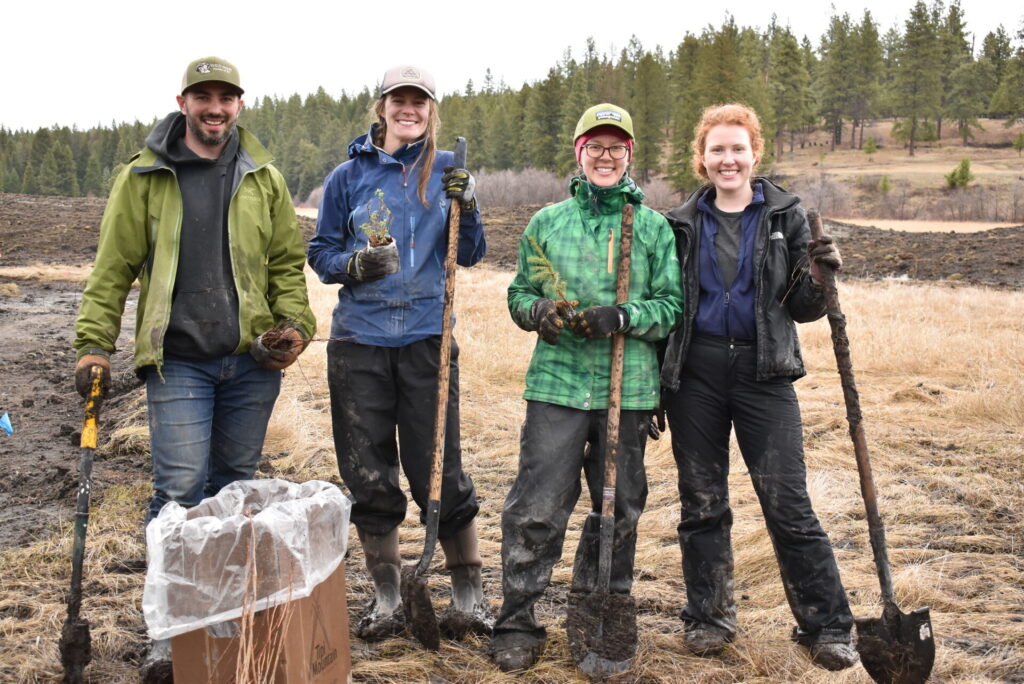 A group of volunteers.
Photo by the BC Wildlife Federation
Building The Next Generation Outdoors
One of the most powerful – and often overlooked – roles volunteers play is shaping future conservationists.
Programs like youth conservation corps and outdoor education initiatives rely heavily on volunteer leadership. These experiences don’t just teach skills; they build connection. Participants learn to value wildlife, understand ecosystems, and develop a conservation ethic that lasts a lifetime.
For a readership that values passing down knowledge – whether it’s tying flies, reading sign, or respecting seasons – this matters. Without volunteers willing to teach, guide and mentor, those traditions risk fading.
Community, Connection & Resilience
Outdoor volunteering does something else that’s harder to measure but just as important: it builds community.
In rural and remote parts of British Columbia, volunteers are often the backbone of local outdoor culture. They organize events, maintain access points, advocate for land use, and create spaces where people can gather and share experiences.
Environmental volunteering has also been shown to strengthen social connections and foster a deeper sense of place. In other words, it doesn’t just protect landscapes – it helps define them.
That sense of community becomes especially critical during times of change or crisis, when local knowledge and grassroots action can make the difference between decline and recovery.
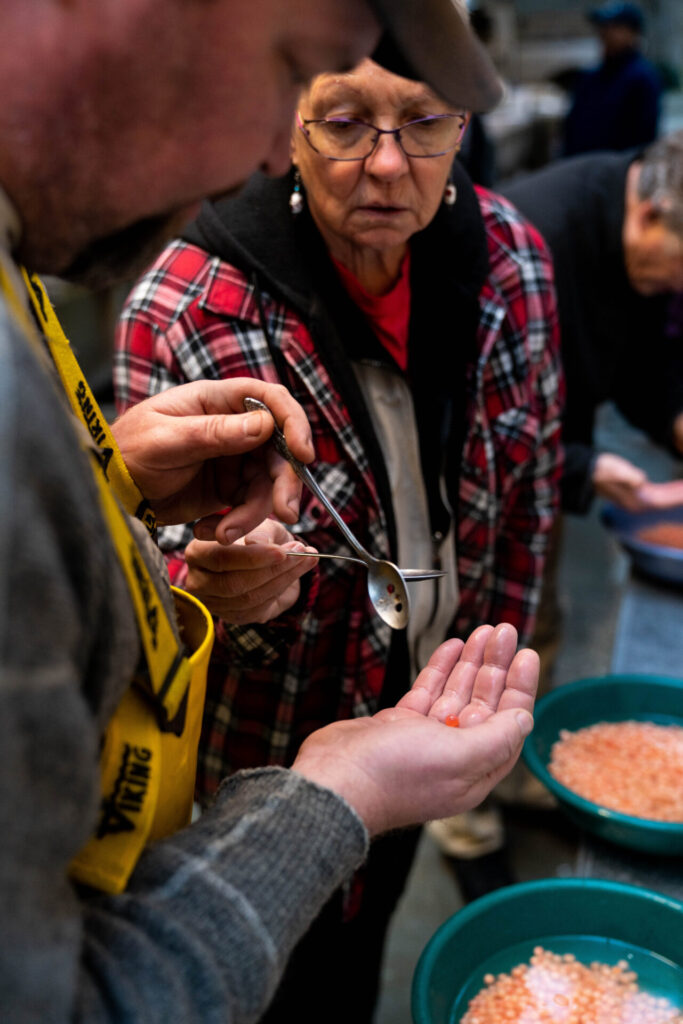 Jack Brooks Hatchery
Photo by Chase White
Why It Matters Now
The pressures facing BC’s natural resources are growing – habitat loss, climate change, increasing recreational demand. At the same time, funding and capacity for conservation are often stretched thin.
This is where volunteers become not just helpful, but essential.
They extend the reach of conservation organizations. They bring local knowledge that can’t be replicated. They advocate, educate and act – often with little recognition.
And perhaps most importantly, they care.
A Call to Get Involved
For many readers, volunteering isn’t a new idea – it’s something they’ve already done in one form or another. But as the demands on our landscapes increase, so too does the need for involvement.
That might mean joining a local fish and game club, helping with a habitat project, mentoring a young angler, or simply showing up to lend a hand.
Because in the end, the future of hunting, fishing and the outdoors in British Columbia won’t be secured by policy alone. It will be secured by people – by those willing to give their time, share their knowledge, and invest in something bigger than themselves.
And in this province, that tradition is still going strong.