

More wetland habitat in northern BC will be protected through the creation of the Meteor Lake Wetland Wildlife Management Area and an expansion of the existing Cranberry Marsh/Starratt Wildlife Management Area.
Advertisement
The new Meteor Lake Wetland Wildlife Management Area covers 2,226 hectares of regionally significant wetland habitat in the Omineca region. The province is also adding 42 hectares to the Cranberry Marsh/Starratt Wildlife Management Area, strengthening protection for the existing conservation area.
Advertisement
“Wetlands are some of the most productive and important ecosystems in British Columbia,” said Randene Neill, Minister of Water, Land and Resource Stewardship. “By protecting Meteor Lake Wetland and expanding Cranberry Marsh/Starratt, we are supporting healthy wildlife populations, clean water, climate resilience and the outdoor activities people value, now and for future generations.”
Advertisement
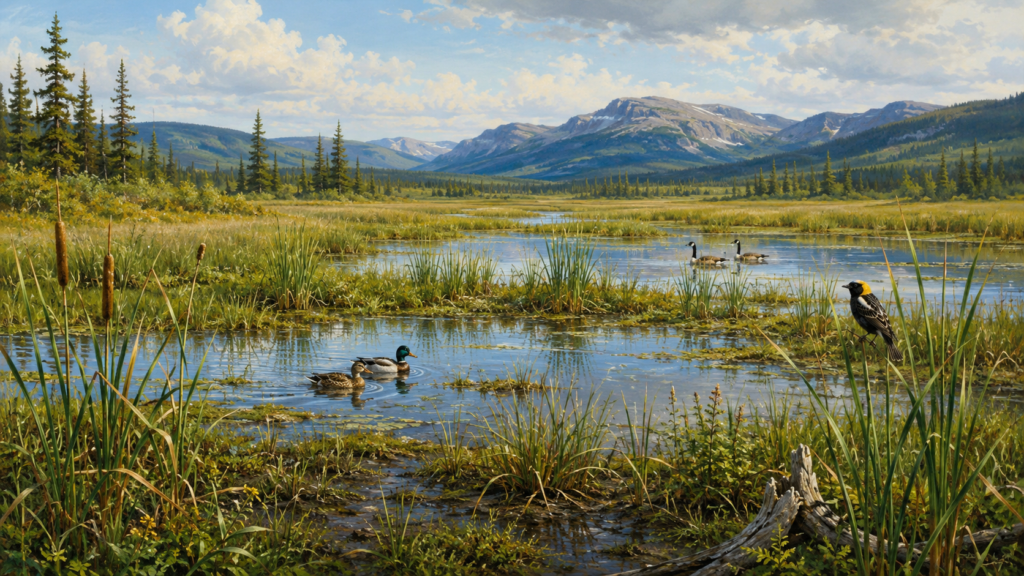 Illustration created using OpenAI
The announcement follows two open houses about the proposed Meteor Lake wildlife management area held for the community of Sinclair Mills and the Lheidli T’enneh First Nation.
The Meteor Lake area has been identified as a conservation priority by Lheidli T’enneh First Nation since 2016.
“Today marks an important milestone for Lheidli T’enneh. The Meteor Lake area has long been a place of ecological and cultural significance within our traditional territory, and we have worked to see it protected since identifying it as a conservation priority in 2016. This Wildlife Management Area reflects our shared commitment with the province to honour Indigenous stewardship, protect wildlife and habitat, and ensure this special place is cared for for generations to come,” said Gbenga Ayansola, natural resources manager for Lheidli T’enneh First Nation.
Protecting Wetlands & Wildlife
Wetlands provide habitat for fish, wildlife and migratory birds. They also filter water, store carbon, reduce the impacts of flooding and drought, and support the health of surrounding ecosystems.
The new designation and expansion will help conserve several at-risk wetland ecosystems and support the long-term stewardship of the landscapes.
Wildlife management areas protect habitat while allowing compatible recreational, cultural and traditional activities to continue. These can include hunting, angling, wildlife viewing and cultural connections to the land.
The areas will be managed in partnership with First Nations and conservation organizations, supporting reconciliation, collaborative land management and long-term stewardship.
“The province’s establishment of the Meteor Lake Wildlife Management Area and expansion of the Cranberry Marsh Wildlife Management Area mark significant achievements for wetland conservation in British Columbia. These protected landscapes will provide lasting benefits for waterfowl, wildlife and the health of our ecosystems. Ducks Unlimited Canada is proud to be a management partner at the Cranberry Marsh Wildlife Management Area and applauds the province’s continued leadership in conserving these extraordinary places,” said Matt Christensen, manager of provincial operations for Ducks Unlimited Canada.
The Nature Conservancy of Canada contributed to the Meteor Lake project by acquiring private land that will now be managed by the province as part of the larger wildlife management area.
“The Meteor Lake Wetland Wildlife Management Area is proof that conservation moves further when it’s built on partnership. This project is the result of years of collaboration to protect this wetland that helps absorb and filter water in the Fraser River system. The Nature Conservancy of Canada is proud to have contributed through acquiring private land, which will now be managed by the province of British Columbia as part of the larger project. By bringing together different strengths and expertise, we can achieve more for wildlife, habitat and future generations than we can in isolation,” said Nancy Newhouse, regional vice-president, British Columbia, Nature Conservancy of Canada.
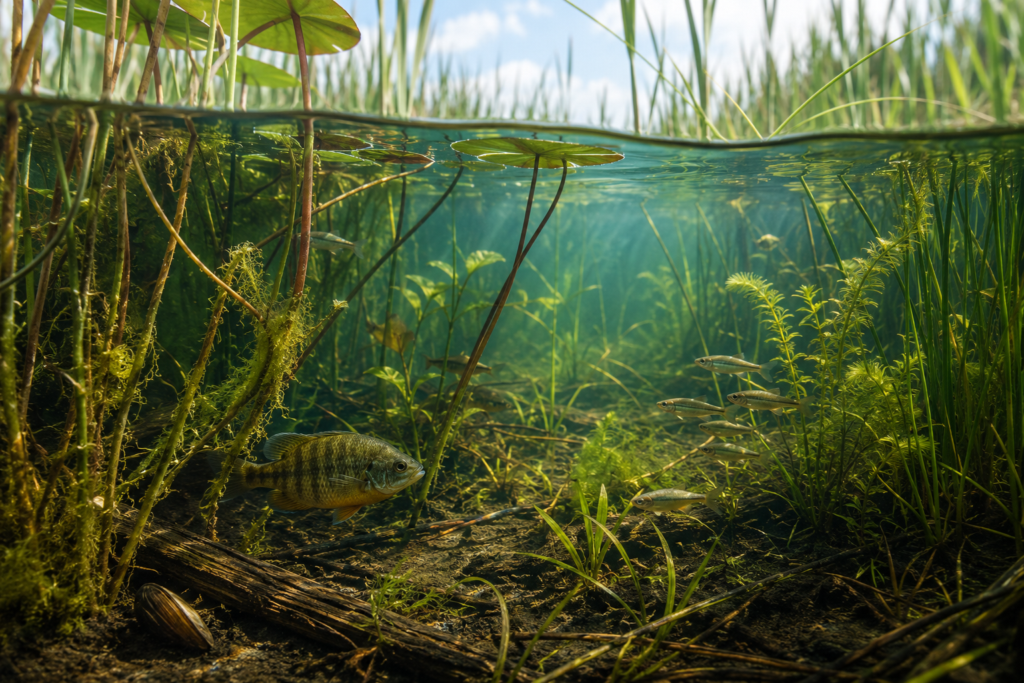 Illustration created using OpenAI
Cranberry Marsh Expansion
The 42-hectare expansion of the Cranberry Marsh/Starratt Wildlife Management Area will provide additional habitat protection while increasing opportunities for residents and visitors to connect with the natural environment.
“The Village of Valemount is excited over the expansion of Cranberry Marsh Wildlife Management Area, which will benefit all. For residents, the expansion will provide more connection with nature and enjoy outdoor activities. Visitors will have more opportunity to discover the region’s stunning beauty and unique wildlife. Nature enthusiasts and photographers will appreciate the new habitat, which serves as a haven for biodiversity and protects the area’s delicate ecosystems,” said Owen Torgerson, mayor of Valemount.
The Nature Trust of British Columbia has worked with the province since the 1970s to purchase and protect private land and restore habitat connectivity at Cranberry Marsh and elsewhere in BC.
“Conservation takes patience, persistence and partnerships. The Nature Trust of BC has partnered with the province since the 1970s, purchasing and protecting private lands to restore connectivity at Cranberry Marsh and across BC. Our lands at Cranberry Marsh and Meteor Lake fit seamlessly with the expanded wildlife management areas, and we look forward to working with the province, Lheidli T’enneh First Nation, Simpcw First Nation and other partners to manage these lands for fish and wildlife forever,” said Jasper Lament, chief executive officer of The Nature Trust of British Columbia.
The new and expanded wildlife management areas support BC’s commitment to conserve 30 per cent of provincial lands and waters by 2030. The work is part of broader efforts to protect biodiversity, support ecosystem health and strengthen climate resilience throughout the province.