

According to a recent BC government press release, deer harvested in a targeted hunt near Cranbrook tested negative for chronic wasting disease, offering cautious reassurance as provincial officials continue efforts to contain the fatal wildlife illness in southeastern BC.
Advertisement
From Jan. 5 to Jan. 31, 2026, a general open-season deer hunt was carried out in a defined area near Cranbrook to increase sampling and reduce the risk of chronic wasting disease, known as CWD, spreading to nearby deer and elk herds.
Advertisement
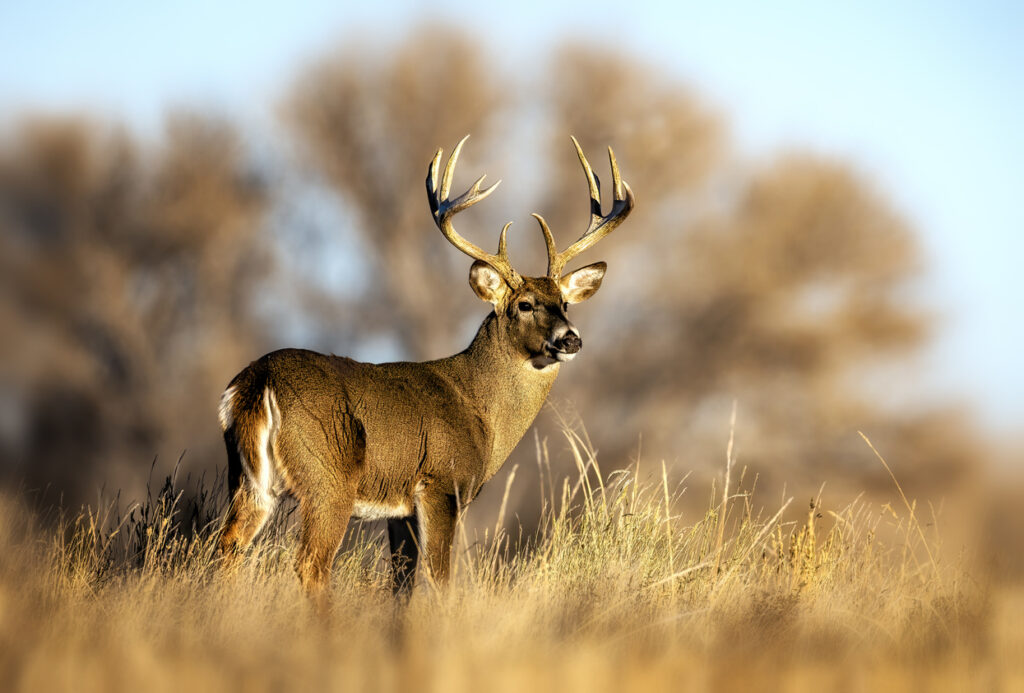 Photo by iStock
A total of 228 deer were harvested during the hunt. All submitted samples tested negative for the disease.
Advertisement
Of those animals, 79 per cent were white-tailed deer and 21 per cent were mule deer.
While no new infections were detected, the hunt was part of a broader management strategy within the established CWD zone in the Kootenay region. Reducing deer density lowers the likelihood of close contact between animals — a key factor in slowing transmission of the disease.
CWD is considered one of the most serious wildlife-health threats facing North America’s cervid populations, which include deer, elk and moose. The disease affects the brain and nervous system and is always fatal. Because it can spread silently before symptoms appear, early detection through surveillance is considered critical to limiting its expansion.
The disease was first confirmed in BC in January 2024 in white-tailed and mule deer in the Kootenay region. During the 2025-26 hunting season, surveillance identified three additional cases in hunter-submitted samples from male white-tailed deer.
To date, nine cases of CWD have been confirmed in the province, all within the established management zone in the Kootenay region. Infection rates in the Cranbrook area remain under one per cent.
Wildlife officials say consistent surveillance helps determine where the disease is emerging, how it is moving across the landscape and which management measures are most effective. BC’s response has been shaped by expert recommendations, approaches used in other jurisdictions and collaboration with partners.
Hunters play a central role in those efforts. Harvesting animals reduces overall deer density and can remove infected individuals from the landscape. Sample submissions from hunters also provide critical data for tracking the disease.
Hunting and trapping organizations have encouraged participation in targeted hunts and compliance with regulations aimed at limiting the movement and spread of infected animals.
Officials say continued co-operation will be essential to preventing the disease from spreading into new areas and protecting wildlife populations that support Indigenous communities, hunters and local economies.